
NAD+
Nicotinamide Adenine Dinucleotide · NAD · Coenzyme 1
Think of it as your cells' fuel for maintenance and repair.
NAD+ works like a power-up for your cells, especially as you age. It's a little molecule that's crucial for helping your cells turn nutrients into energy. As you get older, the levels of NAD+ in your body drop, which might be why you start to feel less energetic and more sluggish over time.
Scientists are looking into how boosting NAD+ levels could help your body keep its energy levels up and even help repair your DNA. It's like giving your cells the tools they need to keep running smoothly, especially in the face of stress or damage. While some people get an IV drip to top up their NAD+, there are also other ways being explored, like precursors that your body can convert into NAD+.
It's a hot topic in the world of longevity and keeping your cells feeling youthful, but it's not just about popping a pill, the science is still unfolding on how best to use it.
Who it's for
- Biohackers looking to optimize cellular energy
- Aging adults interested in longevity research
- People curious about cutting-edge wellness trends
Probably not for you if…
- Those who dislike needles or IV treatments
- People expecting immediate, visible results
- Anyone without a keen interest in experimental health approaches
Editorial summary for research context · Not medical advice
Mechanism of Action
NAD+ is a small-molecule coenzyme, not a peptide, tracked here as peptide-adjacent because of its overlap in the longevity research space. It is essential for redox reactions across metabolism and is the required substrate for the sirtuin family (SIRT1-7), PARPs, and CD38. Cellular NAD+ declines with age, and research has explored restoration strategies including direct NAD+ infusion, NMN, and NR precursor supplementation. Administration is most commonly IV-infused in longevity clinic settings because oral NAD+ itself is largely degraded in the gut; subcutaneous and intranasal formulations exist but have less pharmacokinetic data.
Researched Benefits
Sirtuin-pathway support
Research has explored NAD+ restoration as a way to sustain SIRT1/SIRT3 activity, which preclinical models link to mitochondrial biogenesis and stress response.
- [Imai & Guarente 2014]
Mitochondrial function (preclinical)
Aged rodent models suggest restoration of mitochondrial respiration and reduced markers of oxidative stress following NAD+ precursor administration.
- [Gomes et al. 2013]
DNA repair pathway substrate
NAD+ is the required substrate for PARP enzymes involved in base-excision repair; preclinical work has explored supplementation in DNA-damage contexts.
- [Fang et al. 2016]
Research Protocols
The following dosing ranges have appeared in published research protocols. Presented for informational purposes only, not a recommendation for human use.
IV infusion research
- Dosage
- 500 mg
- Frequency
- once weekly
- Timing
- morning
- Cycle
- 4 weeks
Common longevity-clinic protocol delivers 500-1000 mg IV over 2-4 hours weekly. Infusion rate matters, too-rapid delivery causes chest tightness and nausea. Administered in clinical settings only.
Subcutaneous research
- Dosage
- 100 mg
- Frequency
- daily
- Timing
- morning
- Cycle
- 4 weeks
Lower-dose subcutaneous protocol used in self-directed research; pharmacokinetics versus IV are not well-characterized. Oral NAD+ is degraded in the gut and generally considered ineffective as a direct NAD+ source.
Reported Side Effects
- Chest tightness, flushing, and nausea during IV infusion, especially at fast infusion rates
- Transient headache and fatigue post-infusion
- Injection-site irritation with subcutaneous routes
Contraindications
- Pregnancy and lactation
- Active malignancy (theoretical concern, sirtuin and PARP pathways interact with tumor biology in complex ways)
- Severe cardiovascular disease (caution with rapid IV infusion)
Stacking Partners
Peptides commonly paired with NAD+ in published research and protocol write-ups.
Vendor Pricing
Stacked earns a commission on purchases via these links. It does not influence our Trust Scores.
Gear + Companions
Reconstitution supplies and research-backed supplement companions for NAD+. Editorial picks only, we earn a commission through Amazon on the click, no sponsorship.
Gear you'll need
· Reconstitution + storage essentialsBacteriostatic Water 30mL (0.9% Benzyl Alcohol)
Empower Pharmacy / generic medical supply
Reconstitutes every lyophilized peptide. 28-day viability refrigerated.
Insulin Syringes 31G × 5/16" × 0.5mL (100 count)
EasyTouch
31G × 0.5mL insulin syringes — the default size for sub-0.25mL peptide doses.
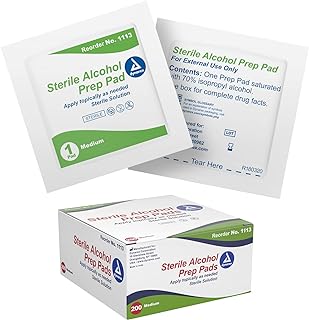
Alcohol Prep Pads (Sterile, 200 count)
Dynarex
Sterile 70% IPA prep pads — one per vial stopper + one per injection site.
1-Quart Sharps Disposal Container
BD / Becton Dickinson
FDA-cleared sharps container — pharmacies won't accept improvised disposal.


Stacks well with
· Supplement companions, independent evidence, not sponsoredNMN (Nicotinamide Mononucleotide) 500mg × 60 caps
Double Wood
Oral NAD+ precursor — cheaper daily stack-mate for injectable NAD+ and natural fit alongside Epithalon + MOTS-c longevity protocols.
Trans-Resveratrol 500mg (120 capsules)
Double Wood
Sirtuin-activating polyphenol — SIRT1 needs NAD+ as its cofactor. Classic NAD+/sirtuin stack.


Further reading
· Context + frameworks, full-length on the topicOutlive: The Science & Art of Longevity (Peter Attia MD)
Peter Attia
Attia's longevity framework is the context NAD+ protocols fit into.

As an Amazon Associate we earn from qualifying purchases · Disclosed per FTC guidelines
Top Videos
Curated from YouTube, refreshed weekly. Stacked doesn't host or endorse external content.
 7:27
7:27What is NAD+?
Dr Matt & Dr Mike
471.2K views · 7:27 · 5 years ago
 6:56
6:56Doctor Reviews NAD+ vs Peptides - Which Does MORE?
This Is Not Covered - Dr. Ashley Froese
442.9K views · 6:56 · 1 year ago
 14:05
14:05Dr Explains Why Everyone is Suddenly Talking About NAD
This Is Not Covered - Dr. Ashley Froese
378.5K views · 14:05 · 3 months ago
 12:58
12:58What Is Nicotinamide Adenine Dinucleotide? (NAD+, NR, NMN)
Dr. Paul Anderson
254.5K views · 12:58 · 2 years ago
 8:43
8:43Dr. Explains NAD+ vs. Methylene Blue. Which is BEST?
This Is Not Covered - Dr. Ashley Froese
171.1K views · 8:43 · 9 months ago
Research Papers
NAD+ and sirtuins in aging and disease
Imai SI, Guarente L · Trends in Cell Biology · 2014
PubMed 24786309 →Declining NAD+ induces a pseudohypoxic state disrupting nuclear-mitochondrial communication during aging
Gomes AP, Price NL, Ling AJ, et al. · Cell · 2013
PubMed 24360282 →NAD+ in aging: molecular mechanisms and translational implications
Fang EF, Lautrup S, Hou Y, et al. · Trends in Molecular Medicine · 2017
PubMed 28844447 →
Frequently Asked
- What is NAD+?
- NAD+ is a longevity studied in laboratory research. This profile covers its researched mechanism of action, study context, reported side-effect profile, and current vendor pricing. For research purposes only; not medical advice.
- Is NAD+ legal to buy?
- NAD+ is sold strictly for laboratory and research use and is not approved by the FDA for human consumption. Legal status and import rules vary by country and are the buyer's responsibility.
- How much does NAD+ cost?
- Compare live $/mg, total price, stock, and each vendor's Stacked Score for NAD+ on its price page. Stacked does not sell peptides; it links out to vetted research vendors.