
SS-31
Elamipretide · Bendavia · MTP-131 · Szeto-Schiller Peptide 31
Think of it as a power-up for your cell's energy factories.
SS-31 is like a superhero cape for your mitochondria, the tiny power plants inside your cells. It binds to a specific part of the mitochondrial membrane, helping to keep these energy factories running smoothly. By doing so, it supports the efficient production of ATP, the energy currency of your cells, even when they're under stress.
This peptide has been studied for its potential to help with various energy-related issues, like those seen in certain genetic conditions and age-related eye problems. It's still in the research phase, so scientists are exploring its full range of benefits and potential uses.
Who it's for
- Biohackers interested in cellular health and longevity.
- People curious about cutting-edge research in mitochondrial support.
- Those exploring potential future therapies for genetic conditions.
Probably not for you if…
- Anyone looking for an FDA-approved treatment.
- Folks uncomfortable with ongoing clinical research.
- Individuals expecting immediate or guaranteed results.
Editorial summary for research context · Not medical advice
Mechanism of Action
SS-31 (elamipretide) is a synthetic tetrapeptide (D-Arg-dimethylTyr-Lys-Phe-NH2) developed in the Hazel Szeto laboratory that selectively binds cardiolipin on the inner mitochondrial membrane. Research suggests stabilization of cristae architecture, preservation of electron transport chain efficiency, and reduction of mitochondrial reactive oxygen species generation. It is in clinical investigation stage, not FDA-approved, and has been evaluated in clinical trials for Barth syndrome, primary mitochondrial myopathy, dry age-related macular degeneration, and heart failure with preserved ejection fraction. Stealth BioTherapeutics has been the primary developer; several trials have progressed through Phase 2 and Phase 3.
Researched Benefits
Cardiolipin binding and mitochondrial membrane stabilization
Preclinical work from the Szeto laboratory showed stabilization of mitochondrial cristae and preserved ATP production under oxidative stress.
- [Szeto 2014]
- [Birk et al. 2014]
Barth syndrome and primary mitochondrial myopathy
Clinical trial data in Barth syndrome and primary mitochondrial myopathy populations has shown mixed but notable signals; development remains ongoing. Clinical investigation stage.
- [Karaa et al. 2018]
- [Reid Thompson et al. 2020]
Ophthalmic and cardiovascular research
Evaluated in Phase 2 trials for dry AMD and in preclinical ischemia-reperfusion cardiac models; additional clinical programs have explored heart failure endpoints.
Research Protocols
The following dosing ranges have appeared in published research protocols. Presented for informational purposes only, not a recommendation for human use.
Clinical-trial reference dose
- Dosage
- 40 mg
- Frequency
- daily
- Timing
- morning
- Cycle
- 12 weeks
Published clinical trials have used 40 mg subcutaneous daily as a common adult dose. Protocols vary by indication and research context.
Lower-dose research
- Dosage
- 20 mg
- Frequency
- daily
- Timing
- morning
- Cycle
- 8 weeks
Lower-dose subcutaneous protocol seen in earlier-phase research and in self-directed research framing.
Reported Side Effects
- Injection-site reactions are the most commonly reported effect in clinical trials
- Transient headache and GI discomfort
- Elevated creatine kinase has been reported in some trial cohorts
Contraindications
- Pregnancy and lactation
- Active malignancy
- Known hypersensitivity to the peptide
- Concurrent experimental mitochondrial therapy without supervision
Stacking Partners
Peptides commonly paired with SS-31 in published research and protocol write-ups.
Vendor Pricing
Stacked earns a commission on purchases via these links. It does not influence our Trust Scores.
Gear + Companions
Reconstitution supplies and research-backed supplement companions for SS-31. Editorial picks only, we earn a commission through Amazon on the click, no sponsorship.
Gear you'll need
· Reconstitution + storage essentialsBacteriostatic Water 30mL (0.9% Benzyl Alcohol)
Empower Pharmacy / generic medical supply
Reconstitutes every lyophilized peptide. 28-day viability refrigerated.
Insulin Syringes 31G × 5/16" × 0.5mL (100 count)
EasyTouch
31G × 0.5mL insulin syringes — the default size for sub-0.25mL peptide doses.
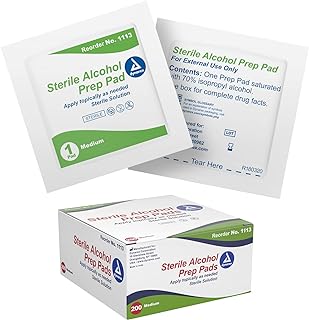
Alcohol Prep Pads (Sterile, 200 count)
Dynarex
Sterile 70% IPA prep pads — one per vial stopper + one per injection site.
1-Quart Sharps Disposal Container
BD / Becton Dickinson
FDA-cleared sharps container — pharmacies won't accept improvised disposal.


Stacks well with
· Supplement companions, independent evidence, not sponsoredNMN (Nicotinamide Mononucleotide) 500mg × 60 caps
Double Wood
Oral NAD+ precursor — cheaper daily stack-mate for injectable NAD+ and natural fit alongside Epithalon + MOTS-c longevity protocols.
Trans-Resveratrol 500mg (120 capsules)
Double Wood
Sirtuin-activating polyphenol — SIRT1 needs NAD+ as its cofactor. Classic NAD+/sirtuin stack.


As an Amazon Associate we earn from qualifying purchases · Disclosed per FTC guidelines
Top Videos
Curated from YouTube, refreshed weekly. Stacked doesn't host or endorse external content.
 12:34
12:34Dr Gives Mitochondria Reset Masterclass to Fix Your Fatigue
This Is Not Covered - Dr. Ashley Froese
493.7K views · 12:34 · 11 months ago
 7:50
7:50Doctor Reveals 3 Mitochondrial Fixes That Boost Energy
This Is Not Covered - Dr. Ashley Froese
263.8K views · 7:50 · 11 months ago
 12:04
12:04The Mitochondria Repair Peptide Your Doctor Has Never Heard About
This Is Not Covered - Dr. Ashley Froese
206.3K views · 12:04 · 2 months ago
 15:06
15:06I Used SS-31 to Repair a DECADE of Damage
Jacob Nachinson
100.3K views · 15:06 · 1 month ago
 7:21
7:21How to Use SS-31 Peptide: Proper Dosing and Frequency for Optimal Results and Mitochondria Repair
Living Youthful
71.2K views · 7:21 · 7 months ago
Research Papers
First-in-class cardiolipin-protective compound as a therapeutic agent to restore mitochondrial bioenergetics
Szeto HH · British Journal of Pharmacology · 2014
PubMed 24116962 →The mitochondrial-targeted compound SS-31 re-energizes ischemic mitochondria by interacting with cardiolipin
Birk AV, Liu S, Soong Y, et al. · Journal of the American Society of Nephrology · 2013
PubMed 23813215 →Randomized dose-escalation trial of elamipretide in adults with primary mitochondrial myopathy
Karaa A, Haas R, Goldstein A, et al. · Neurology · 2018
PubMed 30232246 →
Frequently Asked
- What is SS-31?
- SS-31 is a longevity studied in laboratory research. This profile covers its researched mechanism of action, study context, reported side-effect profile, and current vendor pricing. For research purposes only; not medical advice.
- Is SS-31 legal to buy?
- SS-31 is sold strictly for laboratory and research use and is not approved by the FDA for human consumption. Legal status and import rules vary by country and are the buyer's responsibility.
- How much does SS-31 cost?
- Compare live $/mg, total price, stock, and each vendor's Stacked Score for SS-31 on its price page. Stacked does not sell peptides; it links out to vetted research vendors.