
MOTS-c
Mitochondrial ORF of the Twelve S rRNA-c · Mitochondrial-Derived Peptide · MOTSc
Think of it as a personal trainer for your cells.
MOTS-c is a tiny protein that comes from the powerhouses of your cells, the mitochondria. It helps your body manage energy better by boosting how your muscles use sugar and fat. Imagine it as a coach that tells your cells to get in shape, especially helpful as you get older.
Research in animals shows it might improve how well you respond to exercise and could help your body stay flexible with its energy use, even when you're not as young as you used to be. Scientists are still figuring out exactly how this works in humans, but the early findings are promising.
Who it's for
- Fitness enthusiasts curious about the next big thing in energy management
- Older adults looking to support healthy aging
- Biohackers interested in cutting-edge longevity research
Probably not for you if…
- People looking for a quick fix without lifestyle changes
- Those uncomfortable with the unknowns of emerging science
- Individuals who prefer well-established supplements with long-term safety data
Editorial summary for research context · Not medical advice
Mechanism of Action
MOTS-c is a 16-amino-acid mitochondrial-derived peptide encoded within the 12S rRNA region of mitochondrial DNA, discovered by the Pinchas Cohen laboratory at USC. Research suggests it acts as a metabolic regulator by activating AMPK signaling, modulating folate/methionine cycle flux, and enhancing glucose uptake and fatty acid oxidation in skeletal muscle. Circulating MOTS-c declines with age and with metabolic disease. Preclinical work in rodents indicates effects on insulin sensitivity, exercise capacity, and age-associated inflammation. Human data is emerging but limited.
Researched Benefits
AMPK activation and metabolic flexibility
Preclinical research suggests activation of AMPK and improved glucose handling in insulin-resistant rodent models.
- [Lee et al. 2015]
Exercise and mitochondrial capacity
Animal models of physical performance showed improved endurance and mitochondrial markers following MOTS-c administration in aged mice.
- [Reynolds et al. 2021]
Age-associated metabolic decline
Circulating levels decline with age; restoration in preclinical models reduces age-associated metabolic decline markers.
- [Kim et al. 2018]
Research Protocols
The following dosing ranges have appeared in published research protocols. Presented for informational purposes only, not a recommendation for human use.
Metabolic research protocol
- Dosage
- 10 mg
- Frequency
- 3x weekly
- Timing
- morning
- Cycle
- 8 weeks
Research protocols commonly use 5-10 mg subcutaneously, 3 times per week. Morning administration aligned with activity periods in rodent models.
Lower-dose daily research
- Dosage
- 5 mg
- Frequency
- daily
- Timing
- morning
- Cycle
- 4 weeks
Daily low-dose protocol used in shorter research cycles focused on insulin sensitivity endpoints.
Reported Side Effects
- Injection-site irritation
- Transient hypoglycemia-like symptoms if combined with fasting or heavy training
- Long-term human safety data is limited
Contraindications
- Pregnancy and lactation
- Type 1 diabetes (caution due to glucose-handling effects)
- Concurrent high-dose hypoglycemic therapy without supervision
Stacking Partners
Peptides commonly paired with MOTS-c in published research and protocol write-ups.
Vendor Pricing
Stacked earns a commission on purchases via these links. It does not influence our Trust Scores.
Gear + Companions
Reconstitution supplies and research-backed supplement companions for MOTS-c. Editorial picks only, we earn a commission through Amazon on the click, no sponsorship.
Gear you'll need
· Reconstitution + storage essentialsBacteriostatic Water 30mL (0.9% Benzyl Alcohol)
Empower Pharmacy / generic medical supply
Reconstitutes every lyophilized peptide. 28-day viability refrigerated.
Insulin Syringes 31G × 5/16" × 0.5mL (100 count)
EasyTouch
31G × 0.5mL insulin syringes — the default size for sub-0.25mL peptide doses.
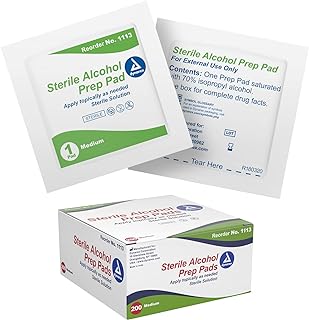
Alcohol Prep Pads (Sterile, 200 count)
Dynarex
Sterile 70% IPA prep pads — one per vial stopper + one per injection site.
1-Quart Sharps Disposal Container
BD / Becton Dickinson
FDA-cleared sharps container — pharmacies won't accept improvised disposal.


Stacks well with
· Supplement companions, independent evidence, not sponsoredNMN (Nicotinamide Mononucleotide) 500mg × 60 caps
Double Wood
Oral NAD+ precursor — cheaper daily stack-mate for injectable NAD+ and natural fit alongside Epithalon + MOTS-c longevity protocols.
Trans-Resveratrol 500mg (120 capsules)
Double Wood
Sirtuin-activating polyphenol — SIRT1 needs NAD+ as its cofactor. Classic NAD+/sirtuin stack.


As an Amazon Associate we earn from qualifying purchases · Disclosed per FTC guidelines
Top Videos
Curated from YouTube, refreshed weekly. Stacked doesn't host or endorse external content.
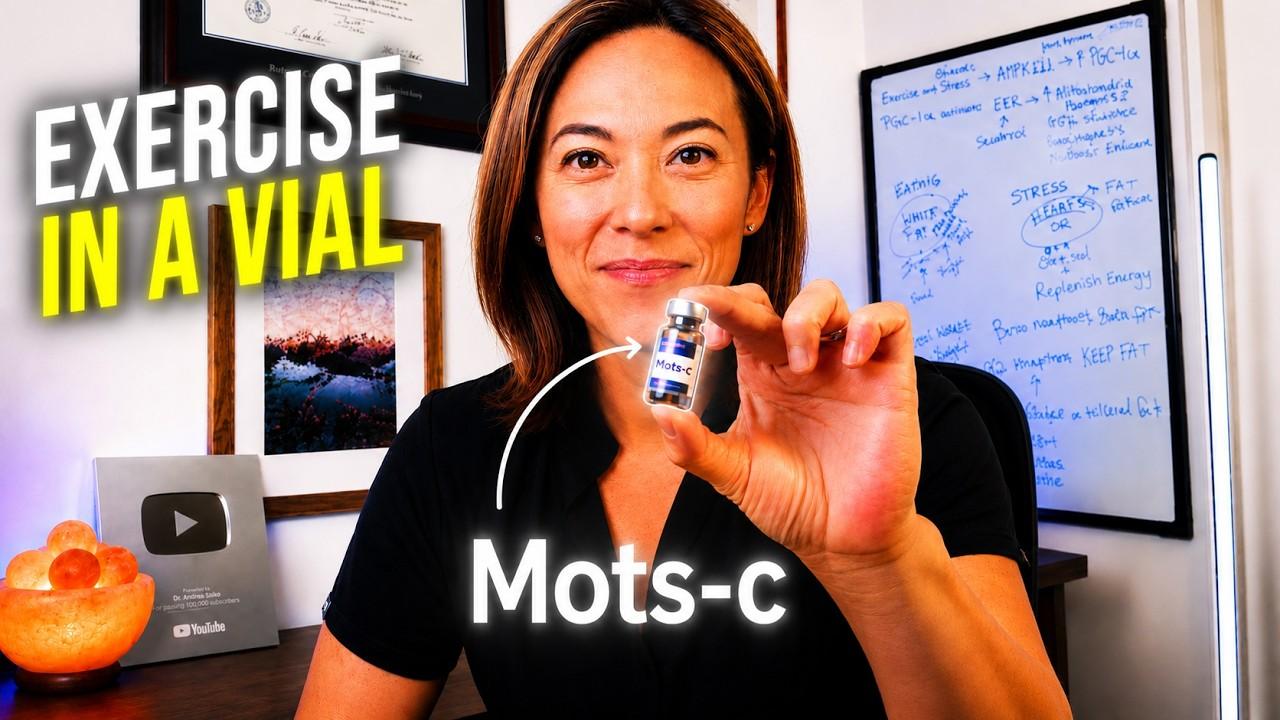 9:02
9:02Dr. Explains - The Truths about Mots-C Nobody is Talking About
This Is Not Covered - Dr. Ashley Froese
435.4K views · 9:02 · 3 months ago
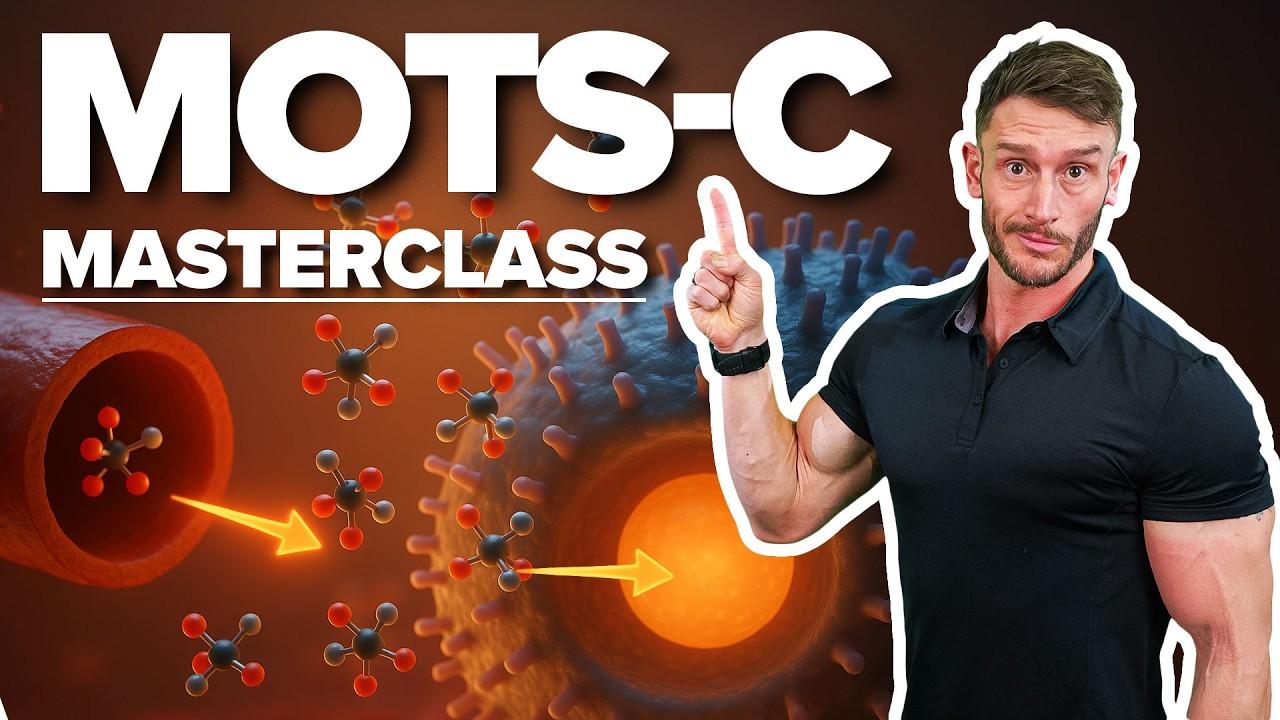 13:17
13:17The Best Peptide for Insulin Resistance & Mitochondrial Health: MOTS-C Masterclass
Thomas DeLauer
314.2K views · 13:17 · 1 year ago
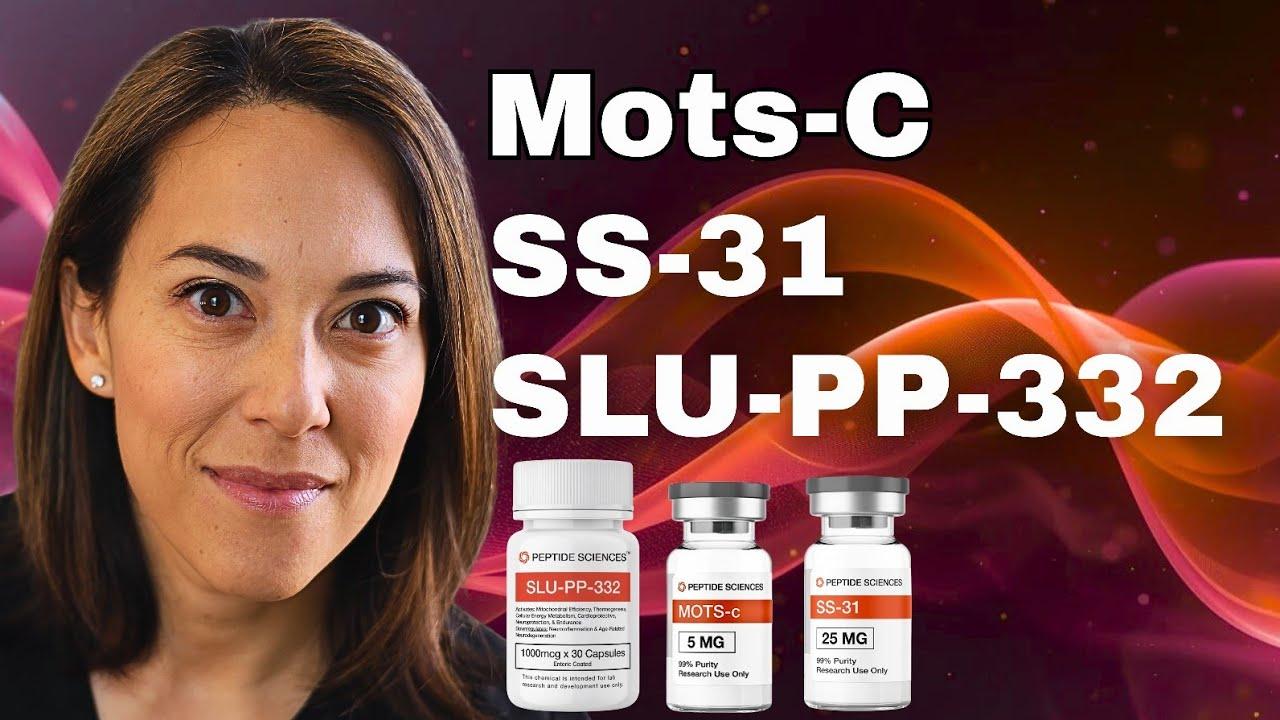 7:50
7:50Doctor Reveals 3 Mitochondrial Fixes That Boost Energy
This Is Not Covered - Dr. Ashley Froese
263.8K views · 7:50 · 11 months ago
 13:45
13:45I Tried MOTS-C for 6 Weeks (This is What Happened)
Jacob Nachinson
147.7K views · 13:45 · 4 months ago
 4:29
4:29MOTS-C After 6 Weeks - The Brutal Truth About Results
William Day
143.9K views · 4:29 · 6 months ago
Research Papers
The mitochondrial-derived peptide MOTS-c promotes metabolic homeostasis and reduces obesity and insulin resistance
Lee C, Zeng J, Drew BG, et al. · Cell Metabolism · 2015
PubMed 25738459 →MOTS-c is an exercise-induced mitochondrial-encoded regulator of age-dependent physical decline and muscle homeostasis
Reynolds JC, Lai RW, Woodhead JST, et al. · Nature Communications · 2021
PubMed 33542191 →
Frequently Asked
- What is MOTS-c?
- MOTS-c is a longevity studied in laboratory research. This profile covers its researched mechanism of action, study context, reported side-effect profile, and current vendor pricing. For research purposes only; not medical advice.
- Is MOTS-c legal to buy?
- MOTS-c is sold strictly for laboratory and research use and is not approved by the FDA for human consumption. Legal status and import rules vary by country and are the buyer's responsibility.
- How much does MOTS-c cost?
- Compare live $/mg, total price, stock, and each vendor's Stacked Score for MOTS-c on its price page. Stacked does not sell peptides; it links out to vetted research vendors.