
Humanin
HN · Humanin Peptide · Mitochondrial-Derived Peptide HN
Think of it as your cells' personal bodyguard.
Humanin is a tiny protein that acts like a shield for your cells, especially when they're under stress. Scientists first found it in the brain of an Alzheimer's patient, and it's since been studied for its protective role across various types of cellular stress.
This peptide helps cells survive by interfering with the usual pathways that lead to cell death. Imagine it as a bodyguard stepping in to protect your cells in high-risk situations, like when they're exposed to harmful substances or metabolic stress. It’s like giving your cells an extra layer of armor against the challenges they face, which might be why researchers are interested in its potential to help with age-related health issues.
Interestingly, the levels of humanin naturally drop as we age, which has sparked curiosity about its role in aging and longevity. Researchers are exploring how maintaining its levels might support healthier aging, at least in animal models so far.
Who it's for
- People interested in cutting-edge longevity research
- Biohackers looking to explore cellular health
- Individuals curious about age-related wellness
- Those intrigued by mitochondrial function
Probably not for you if…
- Anyone uncomfortable with experimental peptides
- Individuals looking for quick fixes or guaranteed results
- People who prefer well-established supplements
Editorial summary for research context · Not medical advice
Mechanism of Action
Humanin is a 24-amino-acid mitochondrial-derived peptide encoded within the 16S rRNA region of mitochondrial DNA, originally identified in brain samples from an Alzheimer's patient by Hashimoto and colleagues and subsequently characterized by the Pinchas Cohen lab. Research suggests cytoprotective effects against multiple apoptotic stressors via binding to the formyl peptide receptor-like 1 (FPRL1) and the heterotrimeric receptor composed of CNTFR/WSX-1/gp130, modulating BAX, and supporting STAT3 signaling. Preclinical research contexts include Alzheimer's-relevant amyloid-beta toxicity models, cardiovascular ischemia-reperfusion, and metabolic stress. Circulating levels decline with age.
Researched Benefits
Cellular cytoprotection (preclinical)
In vitro research suggests protection against amyloid-beta and other apoptotic stressors in neuronal culture models.
- [Hashimoto et al. 2001]
Metabolic and endothelial markers
Preclinical cardiovascular and metabolic models suggest modulation of insulin signaling and endothelial stress response.
- [Muzumdar et al. 2009]
Age-associated decline
Circulating humanin declines with age in both humans and preclinical models; supplementation in rodents has been explored in healthspan contexts.
- [Lee et al. 2013]
Research Protocols
The following dosing ranges have appeared in published research protocols. Presented for informational purposes only, not a recommendation for human use.
Research protocol
- Dosage
- 5 mg
- Frequency
- daily
- Timing
- morning
- Cycle
- 4 weeks
Research protocols commonly use low-mg daily subcutaneous dosing. Human pharmacokinetic data remains limited and protocols are largely extrapolated from rodent studies.
Pulsed research
- Dosage
- 10 mg
- Frequency
- 3x weekly
- Timing
- morning
- Cycle
- 6 weeks
Higher per-dose, less frequent schedule used in some research contexts.
Reported Side Effects
- Injection-site irritation
- Transient fatigue reported anecdotally
- Long-term human safety data is not established
Contraindications
- Pregnancy and lactation
- Active malignancy (theoretical concern due to anti-apoptotic activity)
- Concurrent immunosuppressive therapy
Stacking Partners
Peptides commonly paired with Humanin in published research and protocol write-ups.
Vendor Pricing
Stacked earns a commission on purchases via these links. It does not influence our Trust Scores.
Gear + Companions
Reconstitution supplies and research-backed supplement companions for Humanin. Editorial picks only, we earn a commission through Amazon on the click, no sponsorship.
Gear you'll need
· Reconstitution + storage essentialsBacteriostatic Water 30mL (0.9% Benzyl Alcohol)
Empower Pharmacy / generic medical supply
Reconstitutes every lyophilized peptide. 28-day viability refrigerated.
Insulin Syringes 31G × 5/16" × 0.5mL (100 count)
EasyTouch
31G × 0.5mL insulin syringes — the default size for sub-0.25mL peptide doses.
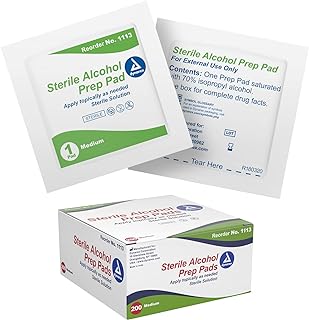
Alcohol Prep Pads (Sterile, 200 count)
Dynarex
Sterile 70% IPA prep pads — one per vial stopper + one per injection site.
1-Quart Sharps Disposal Container
BD / Becton Dickinson
FDA-cleared sharps container — pharmacies won't accept improvised disposal.


Stacks well with
· Supplement companions, independent evidence, not sponsoredNMN (Nicotinamide Mononucleotide) 500mg × 60 caps
Double Wood
Oral NAD+ precursor — cheaper daily stack-mate for injectable NAD+ and natural fit alongside Epithalon + MOTS-c longevity protocols.
Trans-Resveratrol 500mg (120 capsules)
Double Wood
Sirtuin-activating polyphenol — SIRT1 needs NAD+ as its cofactor. Classic NAD+/sirtuin stack.


As an Amazon Associate we earn from qualifying purchases · Disclosed per FTC guidelines
Top Videos
Curated from YouTube, refreshed weekly. Stacked doesn't host or endorse external content.
 4:29
4:29MOTS-C After 6 Weeks - The Brutal Truth About Results
William Day
143.9K views · 4:29 · 6 months ago
 4:51
4:51I Made ChatGPT Writing 100% Human in 8 Seconds (Phrasly Review)
Tech with Ayrass
77.3K views · 4:51 · 3 months ago
 5:27
5:27What is Human-in-the-Loop?
Google Cloud Tech
32.2K views · 5:27 · 3 years ago
 5:21
5:211 Click Human in The Loop | New Human Review n8n Node
n8n
7.1K views · 5:21 · 7 months ago
 5:16
5:16Brian Keating's Review of Life 3.0: Being Human in the Age of Artificial Intelligence by Max Tegmark
Dr Brian Keating
495 views · 5:16 · 7 years ago
Research Papers
A rescue factor abolishing neuronal cell death by a wide spectrum of familial Alzheimer's disease genes and Abeta
Hashimoto Y, Niikura T, Tajima H, et al. · PNAS · 2001
PubMed 11371634 →Humanin: a novel central regulator of peripheral insulin action
Muzumdar RH, Huffman DM, Atzmon G, et al. · PLoS ONE · 2009
PubMed 19536269 →The mitochondrial-derived peptide humanin in aging and age-related disease
Lee C, Yen K, Cohen P · Trends in Endocrinology & Metabolism · 2013
PubMed 23402768 →
Frequently Asked
- What is Humanin?
- Humanin is a longevity studied in laboratory research. This profile covers its researched mechanism of action, study context, reported side-effect profile, and current vendor pricing. For research purposes only; not medical advice.
- Is Humanin legal to buy?
- Humanin is sold strictly for laboratory and research use and is not approved by the FDA for human consumption. Legal status and import rules vary by country and are the buyer's responsibility.
- How much does Humanin cost?
- Compare live $/mg, total price, stock, and each vendor's Stacked Score for Humanin on its price page. Stacked does not sell peptides; it links out to vetted research vendors.