
Epithalon
Epitalon · Epithalone · AEDG · Ala-Glu-Asp-Gly · Khavinson Tetrapeptide
Think of it as a potential fountain of youth for your cells.
Epithalon is like a personal trainer for your cells, nudging them to stay spry and youthful. It's a lab-made peptide that some researchers believe can help keep your telomeres-the protective caps on your DNA-longer, which might slow down the aging process at a cellular level.
This peptide also seems to have a role in regulating your body's sleep-wake cycle by influencing melatonin production, which might help older folks who find their sleep patterns a little out of whack. While there's a lot of buzz about its potential, most of the research comes from a specific group of scientists, and it hasn't been widely tested or approved outside of Russia.
Who it's for
- Biohackers curious about longevity and anti-aging
- Older adults struggling with sleep patterns
- Optimists interested in cutting-edge wellness trends
Probably not for you if…
- Skeptics who prefer widely verified research
- Those wary of unapproved treatments
- People who avoid needles
Editorial summary for research context · Not medical advice
Mechanism of Action
Epithalon is a synthetic tetrapeptide (Ala-Glu-Asp-Gly) developed by Vladimir Khavinson as a short-peptide analog of the pineal polypeptide complex Epithalamin. Preclinical research suggests it upregulates telomerase reverse transcriptase (hTERT) expression in somatic cells, normalizes circadian melatonin secretion, and binds to specific regions of chromatin to modulate gene expression. Russian literature from the St. Petersburg Institute of Bioregulation and Gerontology reports effects on pineal function and cellular senescence markers in aged rodents. Human pharmacokinetic data remains limited and no regulatory agency outside the Russian Federation has approved it for any indication.
Researched Benefits
Telomerase activity (preclinical)
Research suggests induction of hTERT expression and extension of telomere length in cultured human somatic cells; findings have not been independently replicated at scale outside the Khavinson group.
- [Khavinson et al. 2003]
- [Khavinson et al. 2014]
Circadian and pineal regulation
Animal and small human cohort studies from the Khavinson lab report normalization of nocturnal melatonin rhythm in aged subjects with disrupted circadian profiles.
- [Anisimov & Khavinson 2010]
Cellular senescence markers
Preclinical models suggest modulation of age-associated gene expression patterns and reduced markers of oxidative damage in aged rodent tissues.
- [Khavinson et al. 2011]
Research Protocols
The following dosing ranges have appeared in published research protocols. Presented for informational purposes only, not a recommendation for human use.
Pulsed research protocol
- Dosage
- 10 mg
- Frequency
- once daily
- Timing
- evening
- Cycle
- 3 weeks
Khavinson-style research cycles commonly run 10-20 consecutive days, 1-2 times per year, administered subcutaneously. Evening timing is used to align with endogenous melatonin rhythm.
Low-dose daily research
- Dosage
- 5 mg
- Frequency
- once daily
- Timing
- evening, before bed
- Cycle
- 4 weeks
Lower daily dosing used in circadian-focused research protocols. Some protocols split across AM/PM for steady-state exposure.
Reported Side Effects
- Injection-site irritation and transient erythema
- Mild drowsiness when administered in the evening (consistent with pineal-axis effects)
- Long-term human safety data outside Russian cohort studies is limited
Contraindications
- Pregnancy and lactation (no safety data)
- Active malignancy (theoretical concern given telomerase-related research findings)
- Pediatric use
Stacking Partners
Peptides commonly paired with Epithalon in published research and protocol write-ups.
Vendor Pricing
Stacked earns a commission on purchases via these links. It does not influence our Trust Scores.
Gear + Companions
Reconstitution supplies and research-backed supplement companions for Epithalon. Editorial picks only, we earn a commission through Amazon on the click, no sponsorship.
Gear you'll need
· Reconstitution + storage essentialsBacteriostatic Water 30mL (0.9% Benzyl Alcohol)
Empower Pharmacy / generic medical supply
Reconstitutes every lyophilized peptide. 28-day viability refrigerated.
Insulin Syringes 31G × 5/16" × 0.5mL (100 count)
EasyTouch
31G × 0.5mL insulin syringes — the default size for sub-0.25mL peptide doses.
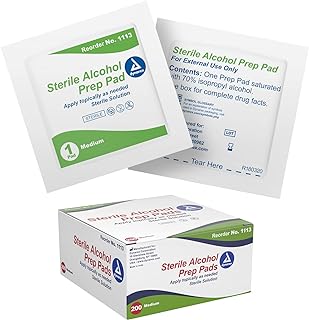
Alcohol Prep Pads (Sterile, 200 count)
Dynarex
Sterile 70% IPA prep pads — one per vial stopper + one per injection site.
1-Quart Sharps Disposal Container
BD / Becton Dickinson
FDA-cleared sharps container — pharmacies won't accept improvised disposal.


Stacks well with
· Supplement companions, independent evidence, not sponsoredNMN (Nicotinamide Mononucleotide) 500mg × 60 caps
Double Wood
Oral NAD+ precursor — cheaper daily stack-mate for injectable NAD+ and natural fit alongside Epithalon + MOTS-c longevity protocols.
Trans-Resveratrol 500mg (120 capsules)
Double Wood
Sirtuin-activating polyphenol — SIRT1 needs NAD+ as its cofactor. Classic NAD+/sirtuin stack.


As an Amazon Associate we earn from qualifying purchases · Disclosed per FTC guidelines
Top Videos
Curated from YouTube, refreshed weekly. Stacked doesn't host or endorse external content.
 6:04
6:04Doctor Explains 20 Most Powerful Peptides
This Is Not Covered - Dr. Ashley Froese
558.1K views · 6:04 · 1 year ago
 12:53
12:53The FDA vs. Peptides: The Truths About DSIP, Semax, & Epitalon
This Is Not Covered - Dr. Ashley Froese
87.4K views · 12:53 · 2 months ago
 10:45
10:45I Tested The Anti-Aging Peptide (Epitalon Results)
Jacob Nachinson
37.8K views · 10:45 · 7 months ago
 18:21
18:21Epitalon and Telomeres: The “Longevity Peptide” I Tested on Myself
Dr. Kristi Sawicki
37.6K views · 18:21 · 3 weeks ago
 11:01
11:01How Pinealon Might Improve Sleep & Cognitive Function | Dr. Abud Bakri & Dr. Andrew Huberman
Huberman Lab Clips
32.3K views · 11:01 · 4 months ago
Research Papers
The natural melatonin and the synthetic peptide Epitalon: anti-aging and geroprotective effects
Khavinson VKh, Goncharova ND, Lapin BA · Neuroendocrinology Letters · 2006
PubMed 17159817 →Peptide promotes overcoming of the division limit in human somatic cell
Khavinson VKh, Bondarev IE, Butyugov AA · Bulletin of Experimental Biology and Medicine · 2003
PubMed 12937682 →Peptide regulation of gene expression and protein synthesis in bronchial epithelium
Khavinson VKh, et al. · Lung · 2014
PubMed 24623074 →
Frequently Asked
- What is Epithalon?
- Epithalon is a longevity studied in laboratory research. This profile covers its researched mechanism of action, study context, reported side-effect profile, and current vendor pricing. For research purposes only; not medical advice.
- Is Epithalon legal to buy?
- Epithalon is sold strictly for laboratory and research use and is not approved by the FDA for human consumption. Legal status and import rules vary by country and are the buyer's responsibility.
- How much does Epithalon cost?
- Compare live $/mg, total price, stock, and each vendor's Stacked Score for Epithalon on its price page. Stacked does not sell peptides; it links out to vetted research vendors.