
KPV
Lysine-Proline-Valine · α-MSH (11-13) · Lys-Pro-Val
Think of it as a calming balm for your immune system.
KPV is like a friendly mediator for your body’s immune responses. It steps in to ease inflammation, especially in the gut, by calming down the overactive parts of your immune system that can cause trouble. Imagine it as a soothing presence that tells your body's defense team to take a breather, reducing unnecessary inflammation.
Research in mice has shown that KPV can help reduce gut inflammation, which might be interesting for those who struggle with digestive discomfort. It even seems to have some antimicrobial powers, acting directly against certain bacteria and fungi like a microscopic cleaning crew.
KPV also shows promise in calming allergic reactions. Think of it as a gentle whisper to your immune system to chill out a bit when it’s overreacting, which could mean fewer flare-ups for those with sensitive skin or allergies.
Who it's for
- People who often experience gut discomfort and are looking for new options to explore.
- Those dealing with skin allergies or sensitivities seeking a soothing solution.
- Biohackers interested in cutting-edge immune system support.
Probably not for you if…
- Anyone expecting a quick fix for severe autoimmune conditions.
- People who prefer traditional medicine approaches and are wary of new peptides.
Editorial summary for research context · Not medical advice
Mechanism of Action
KPV is a tripeptide (Lys-Pro-Val) corresponding to the C-terminal fragment of alpha-melanocyte-stimulating hormone (α-MSH). Preclinical research suggests it exerts anti-inflammatory activity in part independent of melanocortin receptors, with proposed intracellular targets that downregulate NF-κB signaling, reduce pro-inflammatory cytokine release (TNF-α, IL-1β, IL-6), and attenuate neutrophil migration. Rodent models of experimental colitis have shown reduced mucosal inflammation and faster epithelial recovery. Oral, nasal, and subcutaneous routes have all appeared in the research literature.
Researched Benefits
Gut inflammation research
Murine DSS- and TNBS-induced colitis models demonstrated reduced disease activity scores, lower myeloperoxidase activity, and improved histological scores versus controls.
- [Kannengiesser et al. 2008]
- [Dalmasso et al. 2008]
Mast-cell and allergic inflammation modulation
Preclinical work indicates suppression of mast-cell degranulation and reduced allergic skin inflammation in rodent atopic-dermatitis models.
- [Brzoska et al. 2008]
Antimicrobial activity
In-vitro studies suggest direct activity against Candida albicans and Staphylococcus aureus independent of host immune response.
- [Cutuli et al. 2000]
Research Protocols
The following dosing ranges have appeared in published research protocols. Presented for informational purposes only, not a recommendation for human use.
Gut-focused research (oral)
- Dosage
- 500 mcg
- Frequency
- twice daily
- Timing
- before meals
- Cycle
- 6 weeks
Research protocols have used enteric-coated or compounded oral preparations dosed before meals for GI-targeted work.
Systemic inflammation research (subcutaneous)
- Dosage
- 500 mcg
- Frequency
- once daily
- Timing
- morning
- Cycle
- 4 weeks
Subcutaneous dosing has been used in skin- and systemic-inflammation models. Often combined with BPC-157 in gut-focused research stacks.
Reported Side Effects
- Generally well tolerated in preclinical work with no major adverse events reported
- Rare mild injection-site irritation reported anecdotally
- Transient flushing with higher subcutaneous doses
- Long-term human safety data is lacking
Contraindications
- Pregnancy and lactation (no safety data)
- Active melanoma (theoretical concern given structural relationship to α-MSH, although KPV lacks melanocortin receptor agonism at typical doses)
- Known hypersensitivity to the peptide
Stacking Partners
Peptides commonly paired with KPV in published research and protocol write-ups.
Vendor Pricing
Stacked earns a commission on purchases via these links. It does not influence our Trust Scores.
Gear + Companions
Reconstitution supplies and research-backed supplement companions for KPV. Editorial picks only, we earn a commission through Amazon on the click, no sponsorship.
Gear you'll need
· Reconstitution + storage essentialsBacteriostatic Water 30mL (0.9% Benzyl Alcohol)
Empower Pharmacy / generic medical supply
Reconstitutes every lyophilized peptide. 28-day viability refrigerated.
Insulin Syringes 31G × 5/16" × 0.5mL (100 count)
EasyTouch
31G × 0.5mL insulin syringes — the default size for sub-0.25mL peptide doses.
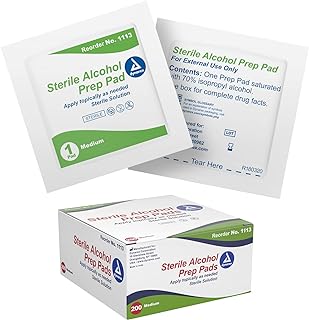
Alcohol Prep Pads (Sterile, 200 count)
Dynarex
Sterile 70% IPA prep pads — one per vial stopper + one per injection site.
1-Quart Sharps Disposal Container
BD / Becton Dickinson
FDA-cleared sharps container — pharmacies won't accept improvised disposal.


Stacks well with
· Supplement companions, independent evidence, not sponsoredOmega-3 Fish Oil (Molecularly Distilled, 240 softgels)
Nordic Naturals
Omega-3s lower systemic inflammation across the same pathways healing-axis peptides act on. The combination is additive in pre-clinical work.
Collagen Peptides Unflavored (2 lb)
Vital Proteins
Connective-tissue repair needs substrate — healing peptides signal repair; collagen peptides provide the raw amino acids.
Magnesium Glycinate 400mg (240 capsules)
Nested Naturals
Most people are sub-optimal in magnesium — glycinate form pairs well with recovery-focused protocols + doesn't cause GI distress.


As an Amazon Associate we earn from qualifying purchases · Disclosed per FTC guidelines
Top Videos
Curated from YouTube, refreshed weekly. Stacked doesn't host or endorse external content.
 6:54
6:54KLOW - Dr Explains The Peptide Stack For Healing, Inflammation and Regeneration
This Is Not Covered - Dr. Ashley Froese
434.4K views · 6:54 · 10 months ago
 16:36
16:36This Peptide Could Change How We Treat Inflammation
This Is Not Covered - Dr. Ashley Froese
243.5K views · 16:36 · 1 month ago
 10:50
10:50The FDA Is About to Decide the Future of Peptides: BPC-157, TB-500, KPV, & MOTS-C
This Is Not Covered - Dr. Ashley Froese
116.1K views · 10:50 · 2 months ago
 13:18
13:18The Best Peptide for Inflammation, Gut Health, and Visceral Fat Loss (KPV Peptide)
Thomas DeLauer
84.5K views · 13:18 · 4 months ago
 9:03
9:03What Is KPV Peptide Used For
Regan Archibald
37.3K views · 9:03 · 1 year ago
Research Papers
The tripeptide KPV reduces IL-1β-induced inflammation in intestinal epithelial cells
Dalmasso G, et al. · Inflammatory Bowel Diseases · 2008
PubMed 18275077 →Alpha-melanocyte-stimulating hormone and related tripeptides: biochemistry, antiinflammatory and protective effects in vitro and in vivo
Brzoska T, et al. · Endocrine Reviews · 2008
PubMed 18477713 →
Frequently Asked
- What is KPV?
- KPV is a immune & gut studied in laboratory research. This profile covers its researched mechanism of action, study context, reported side-effect profile, and current vendor pricing. For research purposes only; not medical advice.
- Is KPV legal to buy?
- KPV is sold strictly for laboratory and research use and is not approved by the FDA for human consumption. Legal status and import rules vary by country and are the buyer's responsibility.
- How much does KPV cost?
- Compare live $/mg, total price, stock, and each vendor's Stacked Score for KPV on its price page. Stacked does not sell peptides; it links out to vetted research vendors.