
LL-37
Cathelicidin · hCAP-18 (109-146) · Human Cathelicidin Antimicrobial Peptide
Think of it as your body's natural defense shield.
LL-37 is like your body's built-in security team, warding off unwanted invaders. It tackles a range of microbes, including bacteria and some viruses, by breaking down their defenses. But LL-37 doesn't just stop there. It also plays a role in guiding immune cells to where they're needed and helps speed up the healing of wounds.
Interestingly, LL-37 can be a bit of a double-edged sword. Depending on the situation, it can either fan the flames of inflammation or help cool things down. This balancing act means that while it can be beneficial, too much LL-37 might be linked to skin issues like rosacea or psoriasis.
Who it's for
- Active individuals prone to cuts and scrapes
- People interested in boosting their body's natural defenses
- Those curious about immune system support
- Individuals exploring skin healing solutions
Probably not for you if…
- Anyone with a history of inflammatory skin conditions
- Those with a known sensitivity to immune modulators
- Individuals looking for a simple, one-size-fits-all solution
Editorial summary for research context · Not medical advice
Mechanism of Action
LL-37 is the 37-amino-acid C-terminal fragment of the human cathelicidin precursor hCAP-18 and the only cathelicidin encoded in the human genome. Research indicates broad-spectrum antimicrobial activity via membrane disruption against gram-positive, gram-negative bacteria, fungi, and some enveloped viruses. Beyond direct antimicrobial effects, LL-37 is an immunomodulator that influences chemotaxis, neutrophil function, and wound-healing pathways. Importantly, LL-37 can be both pro- and anti-inflammatory depending on concentration, local cytokine milieu, and tissue context, elevated LL-37 has been associated with rosacea and psoriasis pathology in human studies, while deficiency has been linked to chronic skin and wound infections.
Researched Benefits
Broad-spectrum antimicrobial research
In-vitro and ex-vivo studies demonstrate membrane-disruptive activity against MRSA, biofilm-forming organisms, and some antibiotic-resistant strains.
- [Dürr et al. 2006]
- [Overhage et al. 2008]
Wound-healing modulation
Chronic-wound research suggests LL-37 promotes re-epithelialization and angiogenesis; topical application has been investigated in small human trials.
- [Heilborn et al. 2003]
- [Grönberg et al. 2014]
Innate immune signaling
Modulates TLR responses, chemokine production, and neutrophil extracellular trap (NET) formation. Dual pro- and anti-inflammatory effects are well documented and context-dependent.
- [Vandamme et al. 2012]
Research Protocols
The following dosing ranges have appeared in published research protocols. Presented for informational purposes only, not a recommendation for human use.
Systemic antimicrobial research
- Dosage
- 100 mcg
- Frequency
- once daily
- Timing
- morning
- Cycle
- 2 weeks
Research protocols have used short, low-dose cycles subcutaneously. Higher doses have been associated with increased mast-cell activation in preclinical work.
Topical wound-healing research
- Dosage
- 500 mcg
- Frequency
- once daily
- Timing
- evening
- Cycle
- 4 weeks
Topical formulations (hydrogel, cream) studied in chronic-wound models. Dose shown reflects per-application amount in compounded preparations.
Reported Side Effects
- Injection-site redness, itching, and mast-cell-driven flushing reported at higher doses
- Can be pro-inflammatory in certain contexts, dose and concentration matter
- Theoretical risk of exacerbating rosacea, psoriasis, or other cathelicidin-driven inflammatory skin conditions
- Long-term human safety data is limited
Contraindications
- Pregnancy and lactation (no safety data)
- Active rosacea, psoriasis, or other conditions associated with elevated endogenous LL-37
- Autoimmune disease with suspected cathelicidin involvement (e.g., SLE with anti-LL-37 antibodies)
- Known hypersensitivity or mast-cell activation disorders
Stacking Partners
Peptides commonly paired with LL-37 in published research and protocol write-ups.
Vendor Pricing
Stacked earns a commission on purchases via these links. It does not influence our Trust Scores.
Gear + Companions
Reconstitution supplies and research-backed supplement companions for LL-37. Editorial picks only, we earn a commission through Amazon on the click, no sponsorship.
Gear you'll need
· Reconstitution + storage essentialsBacteriostatic Water 30mL (0.9% Benzyl Alcohol)
Empower Pharmacy / generic medical supply
Reconstitutes every lyophilized peptide. 28-day viability refrigerated.
Insulin Syringes 31G × 5/16" × 0.5mL (100 count)
EasyTouch
31G × 0.5mL insulin syringes — the default size for sub-0.25mL peptide doses.
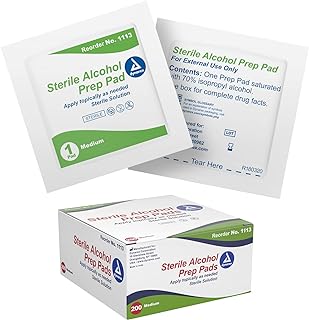
Alcohol Prep Pads (Sterile, 200 count)
Dynarex
Sterile 70% IPA prep pads — one per vial stopper + one per injection site.
1-Quart Sharps Disposal Container
BD / Becton Dickinson
FDA-cleared sharps container — pharmacies won't accept improvised disposal.


As an Amazon Associate we earn from qualifying purchases · Disclosed per FTC guidelines
Top Videos
Curated from YouTube, refreshed weekly. Stacked doesn't host or endorse external content.
 17:01
17:01Avoid These Peptides for 2026 (Doctor Reveals Peptides to Avoid)
Dr. Jones, DC
335.2K views · 17:01 · 8 months ago
 10:59
10:59Doctor Reviews Peptides - Changing Medicine Forever
This Is Not Covered - Dr. Ashley Froese
225.4K views · 10:59 · 11 months ago
 10:11
10:113 Powerful Peptides for Inflammation, Autoimmune Disease, and Arthritis: Rheumatologist Explains
MYAutoimmuneMD
67.5K views · 10:11 · 2 months ago
 9:48
9:48LL-37 Mechanism Of Action
Regan Archibald
9.7K views · 9:48 · 7 months ago
 8:39
8:39LL37: Revolutionizing Antimicrobial Therapy for Infections, Wound Healing, and Immunity
Dr. Adam Sewell, M.D. | Medical Entrepreneur
9.1K views · 8:39 · 1 year ago
Research Papers
LL-37, the only human member of the cathelicidin family of antimicrobial peptides
Dürr UH, Sudheendra US, Ramamoorthy A · Biochimica et Biophysica Acta · 2006
PubMed 16716248 →Treatment with LL-37 is safe and effective in enhancing healing of hard-to-heal venous leg ulcers: a randomized, placebo-controlled clinical trial
Grönberg A, et al. · Wound Repair and Regeneration · 2014
PubMed 25041740 →
Frequently Asked
- What is LL-37?
- LL-37 is a immune & gut studied in laboratory research. This profile covers its researched mechanism of action, study context, reported side-effect profile, and current vendor pricing. For research purposes only; not medical advice.
- Is LL-37 legal to buy?
- LL-37 is sold strictly for laboratory and research use and is not approved by the FDA for human consumption. Legal status and import rules vary by country and are the buyer's responsibility.
- How much does LL-37 cost?
- Compare live $/mg, total price, stock, and each vendor's Stacked Score for LL-37 on its price page. Stacked does not sell peptides; it links out to vetted research vendors.