
BPC-157
Body Protection Compound-157 · PL 14736 · Bepecin
Think of it as a personal bodyguard for your tissues.
BPC-157 is like a secret weapon for your body's repair squad. Imagine a compound that steps in and speeds up the healing process, particularly for tendons and ligaments. Studies in animals suggest it can help mend injuries faster by encouraging new blood vessel growth and supporting tissue regeneration.
Beyond just patching up soft tissues, BPC-157 seems to have a knack for protecting your gut as well. Research indicates it helps maintain the gut lining and aids in recovery from things like ulcers and colitis in animal models.
While this all sounds promising, it's important to note that solid human research is still in the early stages. So, while BPC-157 could be a breakthrough in healing, its full effects and safety in humans aren't completely mapped out yet.
Who it's for
- Athletes nursing nagging injuries who want to speed up recovery
- Anyone dealing with frequent gut issues looking for potential relief
- Biohackers interested in cutting-edge recovery aids
Probably not for you if…
- Those expecting a quick fix without lifestyle changes
- People uncomfortable with experimental treatments
- Anyone looking for a solution with extensive human research backing
Editorial summary for research context · Not medical advice
Mechanism of Action
BPC-157 is a synthetic 15-amino-acid pentadecapeptide derived from a protective protein found in gastric juice. Preclinical research suggests it modulates VEGFR-2 signaling and promotes angiogenesis at injury sites, stabilizes nitric-oxide pathways, and upregulates growth-factor expression involved in tendon-to-bone healing. Animal models indicate activity via both oral and injected routes. Human pharmacokinetic data is limited and no FDA-approved indication currently exists.
Researched Benefits
Soft-tissue repair
Rodent studies have shown accelerated healing of transected Achilles tendons and MCL tears versus saline controls.
- [Seiwerth et al. 2018]
- [Chang et al. 2011]
Gut barrier integrity
Animal models of induced colitis and stress ulceration demonstrate reduced mucosal damage and faster epithelial recovery.
- [Sikiric et al. 2020]
Angiogenesis & NO modulation
Preclinical work indicates upregulation of new capillary growth and protection against NO-system disruption.
- [Hsieh et al. 2017]
Research Protocols
The following dosing ranges have appeared in published research protocols. Presented for informational purposes only, not a recommendation for human use.
Localized soft-tissue research
- Dosage
- 250 mcg
- Frequency
- twice daily
- Timing
- morning and evening
- Cycle
- 4 weeks
Research protocols have commonly injected subcutaneously near the area of interest. Cycled 4-6 weeks.
Systemic research
- Dosage
- 500 mcg
- Frequency
- once daily
- Timing
- morning, fasted
- Cycle
- 6 weeks
Higher systemic dose used in broader healing research models.
Reported Side Effects
- Injection-site reactions (erythema, minor bruising) reported anecdotally
- Transient nausea in some oral-administration animal studies
- No serious adverse events reported in published preclinical work; long-term human safety data is lacking
Contraindications
- Pregnancy and lactation (no safety data)
- Active malignancy
- Immunosuppressive therapy
Stacking Partners
Peptides commonly paired with BPC-157 in published research and protocol write-ups.
Vendor Pricing
Stacked earns a commission on purchases via these links. It does not influence our Trust Scores.
Gear + Companions
Reconstitution supplies and research-backed supplement companions for BPC-157. Editorial picks only, we earn a commission through Amazon on the click, no sponsorship.
Gear you'll need
· Reconstitution + storage essentialsBacteriostatic Water 30mL (0.9% Benzyl Alcohol)
Empower Pharmacy / generic medical supply
Reconstitutes every lyophilized peptide. 28-day viability refrigerated.
Insulin Syringes 31G × 5/16" × 0.5mL (100 count)
EasyTouch
31G × 0.5mL insulin syringes — the default size for sub-0.25mL peptide doses.
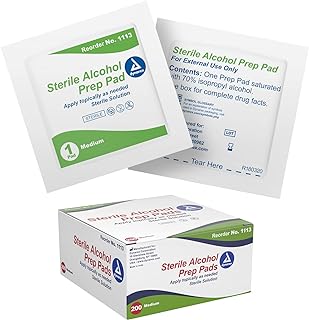
Alcohol Prep Pads (Sterile, 200 count)
Dynarex
Sterile 70% IPA prep pads — one per vial stopper + one per injection site.
1-Quart Sharps Disposal Container
BD / Becton Dickinson
FDA-cleared sharps container — pharmacies won't accept improvised disposal.


Stacks well with
· Supplement companions, independent evidence, not sponsoredOmega-3 Fish Oil (Molecularly Distilled, 240 softgels)
Nordic Naturals
Omega-3s lower systemic inflammation across the same pathways healing-axis peptides act on. The combination is additive in pre-clinical work.
Collagen Peptides Unflavored (2 lb)
Vital Proteins
Connective-tissue repair needs substrate — healing peptides signal repair; collagen peptides provide the raw amino acids.
Magnesium Glycinate 400mg (240 capsules)
Nested Naturals
Most people are sub-optimal in magnesium — glycinate form pairs well with recovery-focused protocols + doesn't cause GI distress.


Further reading
· Context + frameworks, full-length on the topicThe Peptide Protocols (Book 1): William A. Seeds MD
Dr. William Seeds
Seeds' Peptide Protocols covers BPC-157 as a case study.

As an Amazon Associate we earn from qualifying purchases · Disclosed per FTC guidelines
Top Videos
Curated from YouTube, refreshed weekly. Stacked doesn't host or endorse external content.
 7:14
7:14What Science ACTUALLY Says About BPC 157 Benefits
Jeffrey Peng MD
604.6K views · 7:14 · 2 years ago
 7:43
7:43Why I Stopped BPC-157 and TB-500 Peptides - April 26, 2024
Bill Maeda
427.5K views · 7:43 · 2 years ago
 9:33
9:33Peptide BPC-157 - Does It Work? Breaking Down the Evidence and the Hype
Talking With Docs
238.2K views · 9:33 · 10 months ago
 10:25
10:25Origins & Effects of BPC-157 | Dr. Abud Bakri & Dr. Andrew Huberman
Huberman Lab Clips
171.2K views · 10:25 · 4 months ago
 5:35
5:35My Experience with BPC-157 | Peptides That ENHANCE HEALING?
The Novus Center
154.3K views · 5:35 · 4 years ago
Research Papers
The Cytoprotective Pentadecapeptide BPC 157 Modulates Multiple Pathways to Promote Tissue Repair
Sikiric P, et al. · Current Pharmaceutical Design · 2018
PubMed 29769081 →Novel pentadecapeptide BPC 157 as an active pharmaceutical ingredient
Seiwerth S, et al. · Frontiers in Pharmacology · 2021
PubMed 34135749 →
Frequently Asked
- What is BPC-157?
- BPC-157 is a healing & recovery studied in laboratory research. This profile covers its researched mechanism of action, study context, reported side-effect profile, and current vendor pricing. For research purposes only; not medical advice.
- Is BPC-157 legal to buy?
- BPC-157 is sold strictly for laboratory and research use and is not approved by the FDA for human consumption. Legal status and import rules vary by country and are the buyer's responsibility.
- How much does BPC-157 cost?
- Compare live $/mg, total price, stock, and each vendor's Stacked Score for BPC-157 on its price page. Stacked does not sell peptides; it links out to vetted research vendors.