
Oxytocin
Oxytocin Acetate · OXT · Pitocin (injectable form)
Think of it as the ultimate social connection booster.
Oxytocin is often called the "love hormone" because it plays a big role in social bonding and trust. Imagine it as a backstage crew member making sure you feel connected and at ease with others. It's naturally released in your brain during moments of closeness, like hugging or during childbirth.
In the lab, scientists are exploring how oxytocin might help people feel less stressed and more socially connected. Some studies suggest that a sniff of oxytocin might make faces easier to read and social interactions smoother. It's like a gentle nudge toward feeling more open and trusting.
While the science is still unfolding, there's curiosity about its role in enhancing the good vibes between partners. Early research hints at potential boosts in intimacy and satisfaction, but it's not yet a go-to for those looking to spice things up. It's more about enhancing the emotional connection than anything else.
Who it's for
- People curious about enhancing social interactions naturally.
- Those interested in the science of emotions and bonding.
- Couples looking to explore deeper emotional connections.
Probably not for you if…
- Anyone expecting a quick fix for social anxiety.
- Individuals looking for a physical performance enhancer.
- People uncomfortable with experimental or off-label uses.
Editorial summary for research context · Not medical advice
Mechanism of Action
Oxytocin is a nine-amino-acid cyclic neuropeptide synthesized in the hypothalamus and released from the posterior pituitary. Peripherally it drives uterine contraction and milk let-down (the basis for the approved indications of IV/IM Pitocin). Centrally, acting at oxytocin receptors in the amygdala, nucleus accumbens, PVN, and cortex, it modulates social cognition, pair bonding, trust, stress-response buffering (HPA axis), and sexual/orgasmic signaling. In current research, intranasal delivery is the dominant route for studying central effects, as systemic half-life is short and BBB penetration via IN route is well documented. There is no FDA-approved indication for intranasal oxytocin; it is used off-label and in research contexts only.
Researched Benefits
Social cognition and bonding (research)
Placebo-controlled RCTs have shown modest improvements in facial affect recognition, trust behavior, and in-group affiliative responses following single-dose intranasal oxytocin; effect sizes are heterogeneous across replications.
- [Kosfeld et al. 2005 (Nature)]
- [Guastella et al. 2010]
Anxiolytic and stress-buffering effects
Intranasal oxytocin attenuates cortisol response and amygdala reactivity to social threat cues in functional imaging studies.
- [Heinrichs et al. 2003]
- [Kirsch et al. 2005]
Sexual and orgasmic response (pilot data)
Small crossover and pilot studies suggest intranasal oxytocin may enhance subjective arousal, contentment, and intimacy behaviors in couples; evidence is preliminary and not sufficient for clinical recommendation.
- [Behnia et al. 2014]
- [Burri et al. 2008]
Research Protocols
The following dosing ranges have appeared in published research protocols. Presented for informational purposes only, not a recommendation for human use.
Intranasal research protocol (single-dose studies)
- Dosage
- 24 IU
- Frequency
- as-needed (single dose)
- Timing
- 30-45 minutes before social/behavioral task
- Cycle
- 1 weeks
The 24 IU intranasal dose is the dominant literature standard (Born et al. 2002 spray). Research-use only; intranasal oxytocin has no FDA-approved indication.
Intranasal research protocol (repeated dosing)
- Dosage
- 24 IU
- Frequency
- twice daily
- Timing
- morning and evening
- Cycle
- 4 weeks
Repeated-dosing schedule used in some autism and PTSD research trials. Response varies and long-term receptor-desensitization concerns remain open.
Reported Side Effects
- Nasal irritation, rhinorrhea
- Mild headache
- Fatigue or sedation
- GI upset
- Blunted social responses in some individuals (context-dependent 'dark side' effects reported)
- Transient reduction in sodium with high systemic exposure (relevant to IV, not IN)
Contraindications
- Pregnancy (risk of uterine contraction with systemic exposure)
- Cephalopelvic disproportion or any obstetric contraindication if used systemically
- Hyponatremia or SIADH
- Known hypersensitivity
- Unmonitored use in psychiatric populations where social-signal modulation could destabilize
Stacking Partners
Peptides commonly paired with Oxytocin in published research and protocol write-ups.
Vendor Pricing
Stacked earns a commission on purchases via these links. It does not influence our Trust Scores.
Gear + Companions
Reconstitution supplies and research-backed supplement companions for Oxytocin. Editorial picks only, we earn a commission through Amazon on the click, no sponsorship.
Gear you'll need
· Reconstitution + storage essentialsBacteriostatic Water 30mL (0.9% Benzyl Alcohol)
Empower Pharmacy / generic medical supply
Reconstitutes every lyophilized peptide. 28-day viability refrigerated.
Insulin Syringes 31G × 5/16" × 0.5mL (100 count)
EasyTouch
31G × 0.5mL insulin syringes — the default size for sub-0.25mL peptide doses.
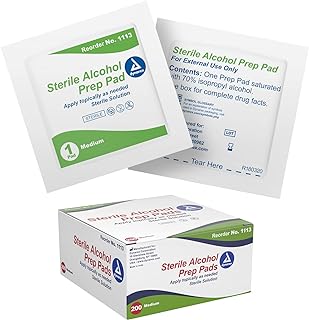
Alcohol Prep Pads (Sterile, 200 count)
Dynarex
Sterile 70% IPA prep pads — one per vial stopper + one per injection site.
1-Quart Sharps Disposal Container
BD / Becton Dickinson
FDA-cleared sharps container — pharmacies won't accept improvised disposal.


As an Amazon Associate we earn from qualifying purchases · Disclosed per FTC guidelines
Top Videos
Curated from YouTube, refreshed weekly. Stacked doesn't host or endorse external content.
 4:09
4:09Pharmacology - Labor & delivery medication Oxytocin nursing RN PN NCLEX
SimpleNursing
212.3K views · 4:09 · 5 years ago
 12:15
12:15Everything You've Heard About Oxytocin is Wrong
BrainCraft
135.5K views · 12:15 · 4 years ago
 10:49
10:49How Oxytocin Affects Attraction, Love & Social Behavior | Dr. Michael Platt & Dr. Andrew Huberman
Huberman Lab Clips
51.3K views · 10:49 · 1 year ago
 8:12
8:12Pitocin Dosage Calculations Maternity Nursing NCLEX (Dimensional Analysis) Oxytocin
RegisteredNurseRN
37.7K views · 8:12 · 1 year ago
 15:09
15:09Oxytocin (Pitocin) Pharmacology Maternity Nursing Labor & Delivery Review
RegisteredNurseRN
36.5K views · 15:09 · 1 year ago
Research Papers
Oxytocin increases trust in humans
Kosfeld M, Heinrichs M, Zak PJ, et al. · Nature · 2005
PubMed 15931222 →Social effects of oxytocin in humans: context and person matter
Bartz JA, Zaki J, Bolger N, Ochsner KN · Trends in Cognitive Sciences · 2011
PubMed 21696997 →Intranasal administration of oxytocin increases envy and schadenfreude
Shamay-Tsoory SG, et al. · Biological Psychiatry · 2009
PubMed 19683705 →
Frequently Asked
- What is Oxytocin?
- Oxytocin is a sexual & skin studied in laboratory research. This profile covers its researched mechanism of action, study context, reported side-effect profile, and current vendor pricing. For research purposes only; not medical advice.
- Is Oxytocin legal to buy?
- Oxytocin is sold strictly for laboratory and research use and is not approved by the FDA for human consumption. Legal status and import rules vary by country and are the buyer's responsibility.
- How much does Oxytocin cost?
- Compare live $/mg, total price, stock, and each vendor's Stacked Score for Oxytocin on its price page. Stacked does not sell peptides; it links out to vetted research vendors.