
Livagen
Lys-Glu-Asp-Ala · KEDA · Liver bioregulator
Think of it as a tune-up for your liver's genetic machinery.
Livagen is like a personal trainer for your liver cells. It's a small peptide that aims to help your liver function more efficiently by interacting with the genetic material inside your liver cells. Imagine giving your liver a gentle push to keep running smoothly as you age.
This peptide doesn't just stop at the liver. Some studies suggest it might also influence certain immune cells by loosening up tightly packed DNA, potentially waking up genes that have dozed off over time. It's a bit like opening a book that's been closed for a while and finding new chapters to read.
While early research shows promise, Livagen is still mostly in the experimental phase. It's not yet approved for medical use, so it's more of an intriguing possibility than a guaranteed solution.
Who it's for
- Biohackers curious about anti-aging strategies
- Anyone interested in experimental liver health support
- Science enthusiasts tracking peptide research
Probably not for you if…
- Those looking for FDA-approved treatments
- People who prefer traditional medicine
- Anyone uncomfortable with experimental compounds
Editorial summary for research context · Not medical advice
Mechanism of Action
Livagen is a synthetic tetrapeptide (Lys-Glu-Asp-Ala) designed as a liver-tissue bioregulator. Khavinson-group research proposes that short peptides penetrate the cell membrane, enter the nucleus, and bind promoter regions, modulating tissue-specific gene expression in hepatocytes. In-vitro work has also examined chromatin decondensation in lymphocytes. Not FDA-approved. Preclinical and limited human data from Khavinson group.
Researched Benefits
Hepatocyte gene-expression modulation
Khavinson-lab studies report modulation of gene expression in hepatocyte cultures with proposed relevance to age-related hepatic decline.
- [Khavinson & Malinin 2005]
Lymphocyte chromatin research
Cell-culture work has examined chromatin decondensation and heterochromatin activation in peripheral lymphocytes following peptide exposure.
- [Khavinson et al. 2003]
Research Protocols
The following dosing ranges have appeared in published research protocols. Presented for informational purposes only, not a recommendation for human use.
Intranasal research protocol
- Dosage
- 100 mcg
- Frequency
- once daily
- Timing
- morning
- Cycle
- 3 weeks
Khavinson-group protocols have typically used 20-30 day cycles, repeated 2x per year.
Reported Side Effects
- No significant adverse events reported in published Khavinson-group studies
- Transient local irritation with intranasal administration
- Long-term human safety data limited
Contraindications
- Pregnancy and lactation (no safety data)
- Active hepatic malignancy (theoretical concern)
- Individual hypersensitivity to peptide components
Stacking Partners
Peptides commonly paired with Livagen in published research and protocol write-ups.
Vendor Pricing
Stacked earns a commission on purchases via these links. It does not influence our Trust Scores.
Top Videos
Curated from YouTube, refreshed weekly. Stacked doesn't host or endorse external content.
 12:30
12:30FATTY LIVER: How to Fix It (Better than Any Pill) 2026
KenDBerryMD
3.1M views · 12:30 · 8 years ago
 6:04
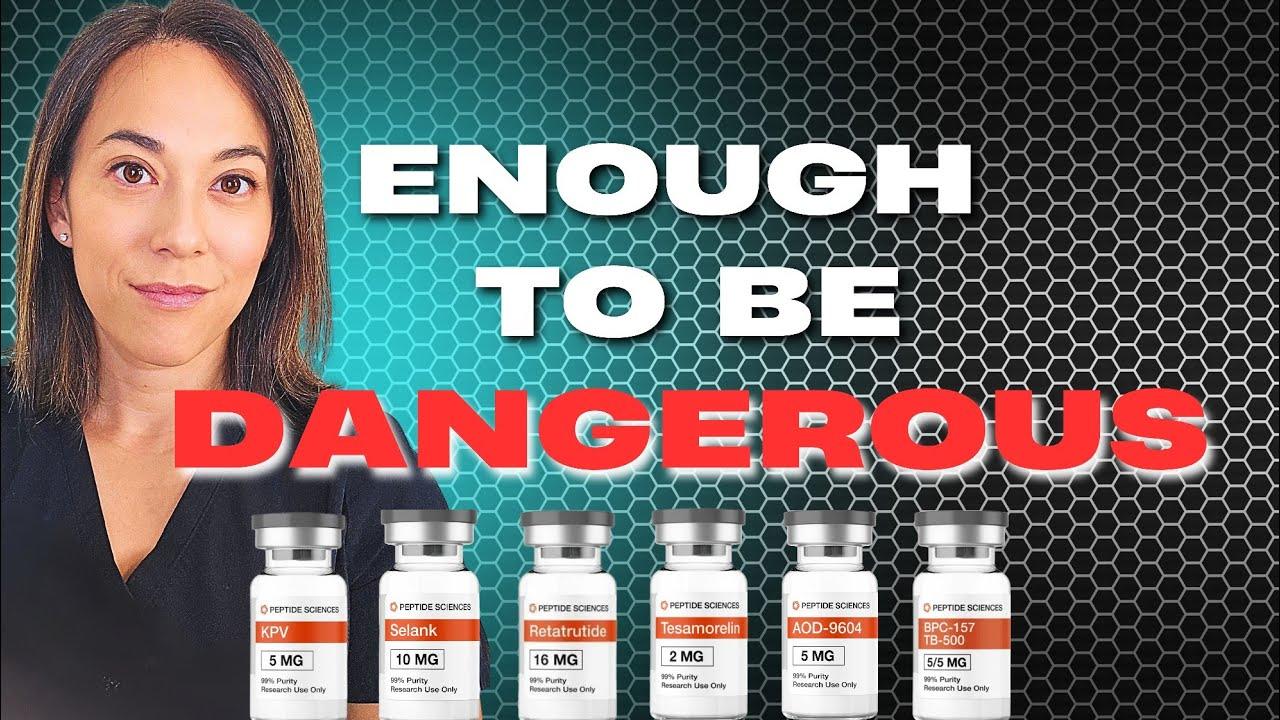
6:04Doctor Explains 20 Most Powerful Peptides
This Is Not Covered - Dr. Ashley Froese
558.1K views · 6:04 · 1 year ago
 17:02
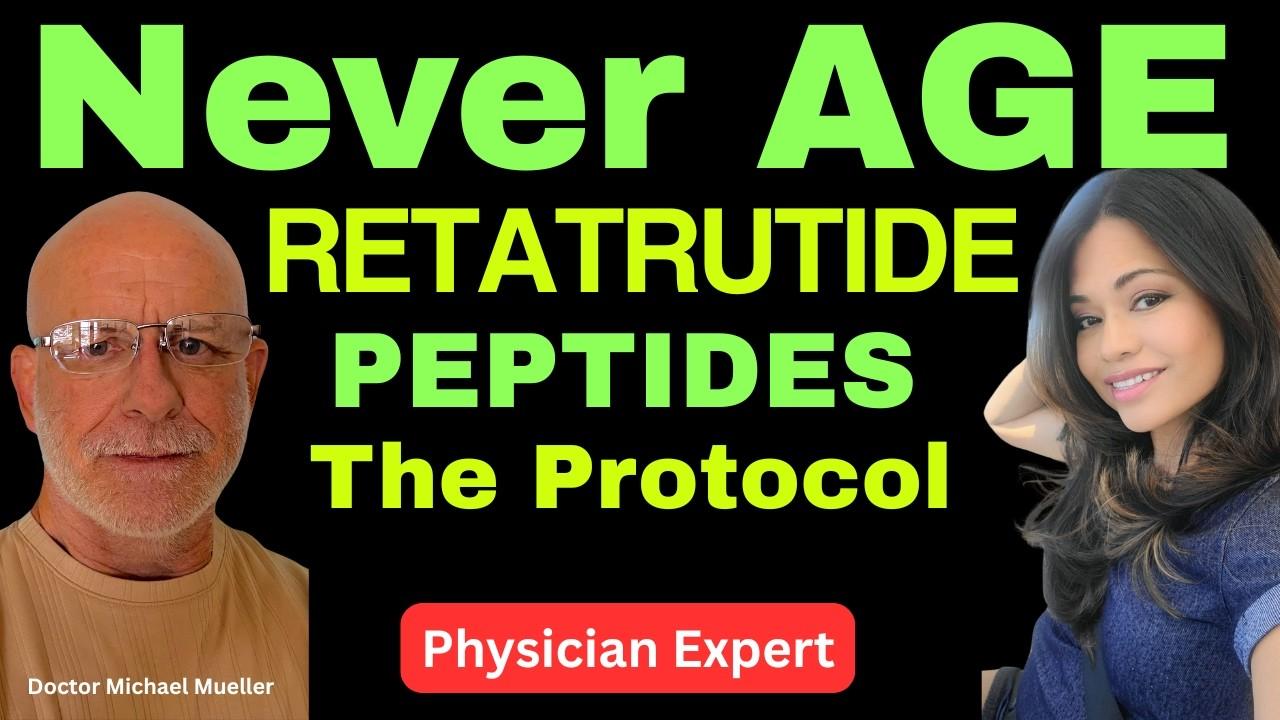
17:02Retatrutide + 2 Peptides to Stop the Aging Clock, Doctor Explains.
Doctor Michael Mueller
431.7K views · 17:02 · 5 months ago
 4:28
4:28#LivAGain Elements Wellness #Drsharmilaboora ।। लीवर की सेहत का रखें ख्याल।। #Milifestyle
Dr.Sharmila Potlia Boora
238.8K views · 4:28 · 5 years ago
 5:59
5:59Peptides for Kidney & Liver Health
Ageless Future
184K views · 5:59 · 3 years ago
Research Papers
Peptide Livagen activates chromatin in old lymphocytes
Khavinson VKh, Lezhava TA, Monaselidze JR · Bulletin of Experimental Biology and Medicine · 2003
Gerontological aspects of peptide regulation
Khavinson VKh, Malinin VV · Karger · 2005
Frequently Asked
- What is Livagen?
- Livagen is a bioregulators studied in laboratory research. This profile covers its researched mechanism of action, study context, reported side-effect profile, and current vendor pricing. For research purposes only; not medical advice.
- Is Livagen legal to buy?
- Livagen is sold strictly for laboratory and research use and is not approved by the FDA for human consumption. Legal status and import rules vary by country and are the buyer's responsibility.
- How much does Livagen cost?
- Compare live $/mg, total price, stock, and each vendor's Stacked Score for Livagen on its price page. Stacked does not sell peptides; it links out to vetted research vendors.