
IGF-1 LR3
Long Arg3 IGF-1 · Long R3 IGF-1 · LR3-IGF-1
Think of it as a long-lasting growth booster for cells.
IGF-1 LR3 is like the turbocharged version of your body's natural growth signals. Picture it as a supercharged messenger that tells your cells to grow and multiply. This version sticks around much longer than the usual IGF-1, giving it more time to work its magic.
In the lab, scientists have seen IGF-1 LR3 encourage muscle cells to build more protein and even help with the uptake of glucose, similar to what insulin does. This makes it a popular choice among researchers looking to explore muscle growth and repair.
Remember, though, IGF-1 LR3 is mainly used in research settings and isn't approved for human use. So while it shows promise in the lab, it's not something you should be experimenting with on your own.
Who it's for
- Bodybuilders curious about cutting-edge muscle growth research
- Fitness enthusiasts who love diving deep into the science of muscle building
- Science buffs interested in how growth factors work
Probably not for you if…
- Anyone looking for an FDA-approved supplement
- People not interested in experimental research compounds
- Those expecting immediate, practical applications for personal use
Editorial summary for research context · Not medical advice
Mechanism of Action
IGF-1 LR3 is an 83-amino-acid analog of human Insulin-like Growth Factor-1 featuring an N-terminal 13-residue extension and an Arg3 substitution. These modifications dramatically reduce binding to IGF binding proteins (IGFBPs), extending plasma half-life from minutes (native IGF-1) to approximately 20-30 hours. Research shows it activates the IGF-1 receptor and downstream PI3K/Akt and MAPK pathways implicated in cellular proliferation, glucose uptake, and protein synthesis. It is used as a research reagent in cell culture and preclinical studies; it is not FDA-approved for human use.
Researched Benefits
Extended IGF-1 receptor activation
Reduced IGFBP affinity produces sustained receptor signaling in preclinical and cell-culture models versus native IGF-1.
- [Francis et al. 1992]
- [Tomas et al. 1993]
Anabolic signaling in skeletal muscle (preclinical)
Rodent studies demonstrate upregulated protein synthesis and satellite cell activation following systemic IGF-1 analog administration.
- [Adams & McCue 1998]
Glucose uptake modulation
Animal research shows insulin-like glucose uptake effects via IGF-1R and hybrid insulin receptors.
- [Tomas et al. 1993]
Research Protocols
The following dosing ranges have appeared in published research protocols. Presented for informational purposes only, not a recommendation for human use.
Low-dose research protocol
- Dosage
- 20 mcg
- Frequency
- once daily
- Timing
- post-training
- Cycle
- 4 weeks
Research protocols have used low-microgram subcutaneous dosing cycled for 4 weeks with extended washout.
Higher-dose research protocol
- Dosage
- 50 mcg
- Frequency
- once daily
- Timing
- post-training
- Cycle
- 4 weeks
Higher research dose observed in animal hypertrophy models; human data is absent.
Reported Side Effects
- Hypoglycemia (insulin-like glucose lowering)
- Injection-site erythema and swelling
- Reports of jaw/joint discomfort anecdotally
- Potential for disproportionate organ/tissue growth with chronic exposure in animal models
- Long-term human safety data is absent
Contraindications
- Active or suspected malignancy (IGF-1 axis signaling is implicated in tumor proliferation)
- Diabetes or hypoglycemia-prone states
- Pregnancy and lactation
- Pediatric populations (growth-plate concerns)
Stacking Partners
Peptides commonly paired with IGF-1 LR3 in published research and protocol write-ups.
Vendor Pricing
Stacked earns a commission on purchases via these links. It does not influence our Trust Scores.
Gear + Companions
Reconstitution supplies and research-backed supplement companions for IGF-1 LR3. Editorial picks only, we earn a commission through Amazon on the click, no sponsorship.
Gear you'll need
· Reconstitution + storage essentialsBacteriostatic Water 30mL (0.9% Benzyl Alcohol)
Empower Pharmacy / generic medical supply
Reconstitutes every lyophilized peptide. 28-day viability refrigerated.
Insulin Syringes 31G × 5/16" × 0.5mL (100 count)
EasyTouch
31G × 0.5mL insulin syringes — the default size for sub-0.25mL peptide doses.
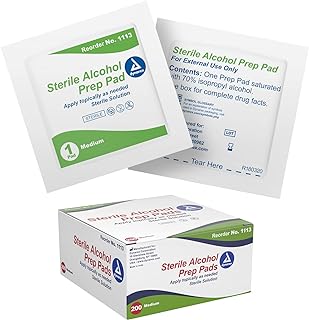
Alcohol Prep Pads (Sterile, 200 count)
Dynarex
Sterile 70% IPA prep pads — one per vial stopper + one per injection site.
1-Quart Sharps Disposal Container
BD / Becton Dickinson
FDA-cleared sharps container — pharmacies won't accept improvised disposal.


Stacks well with
· Supplement companions, independent evidence, not sponsoredCreatine Monohydrate Powder 1kg
BulkSupplements
Creatine + GH-axis peptides increase lean-mass signaling via different pathways (IGF-1 + phosphocreatine replenishment). Most-studied stack in the literature.
Whey Protein Isolate 5 lb (Grass-Fed, Unflavored)
NAKED Nutrition
Growth-hormone-axis research is substrate-limited — without adequate protein intake the signaling can't translate to tissue.

As an Amazon Associate we earn from qualifying purchases · Disclosed per FTC guidelines
Top Videos
Curated from YouTube, refreshed weekly. Stacked doesn't host or endorse external content.
 12:37
12:37Dr. Explains Peptide Stacks Used for Muscle Growth
This Is Not Covered - Dr. Ashley Froese
1.9M views · 12:37 · 9 months ago
 5:17
5:17The IGF-1 Trade-Off: Performance vs. Longevity
FoundMyFitness
515K views · 5:17 · 13 years ago
 9:42
9:42Muscle Building Hormones: The Science of HGH & IGF-1 | Thomas DeLauer
Thomas DeLauer
256.4K views · 9:42 · 8 years ago
 5:46
5:465 Functions of IGF-1 | What does IGF 1 Do?
The Movement System
136.2K views · 5:46 · 5 years ago
 10:13
10:13IS IGF-1 WORTH USING & CAN TESTOSTERONE CAUSE SHORTNESS OF BREATH?-ASK THE DOC.
JayCutlerTV
135.7K views · 10:13 · 6 years ago
Research Papers
Insulin-like growth factor (IGF)-I and -II are unable to form and maintain their native structures in the presence of high IGF binding protein activity
Francis GL, et al. · Biochemical Journal · 1992
PubMed 1379919 →Enhanced anabolic actions of long-R3-IGF-I on growth of young growing rats
Tomas FM, et al. · Endocrinology · 1993
PubMed 8440210 →
Frequently Asked
- What is IGF-1 LR3?
- IGF-1 LR3 is a performance studied in laboratory research. This profile covers its researched mechanism of action, study context, reported side-effect profile, and current vendor pricing. For research purposes only; not medical advice.
- Is IGF-1 LR3 legal to buy?
- IGF-1 LR3 is sold strictly for laboratory and research use and is not approved by the FDA for human consumption. Legal status and import rules vary by country and are the buyer's responsibility.
- How much does IGF-1 LR3 cost?
- Compare live $/mg, total price, stock, and each vendor's Stacked Score for IGF-1 LR3 on its price page. Stacked does not sell peptides; it links out to vetted research vendors.