
HCG
Human Chorionic Gonadotropin · Pregnyl · Novarel · Ovidrel (choriogonadotropin alfa)
Think of it as a hormone cheerleader for your reproductive system.
HCG is a hormone that plays a crucial role in pregnancy, but it's also a bit of a multitasker when it comes to reproductive health. In men, it acts like a pep talk to your testes, keeping them in working order even when you're on testosterone therapy. This means it helps maintain both function and size, which can be a concern with hormone treatments.
For women, HCG is often used as part of fertility treatments. It gives the ovaries that final nudge they need to release a mature egg, making it a key player in assisted reproduction technologies. Essentially, it tells the body it's time to get ready for possible conception.
HCG can also help men with certain types of low testosterone issues by kickstarting sperm production, keeping fertility in check without the downsides of direct testosterone replacement.
Who it's for
- Men on testosterone therapy worried about testicular health
- Couples undergoing fertility treatments
- Men with specific low testosterone issues looking to maintain fertility
Probably not for you if…
- Those uninterested in fertility or reproductive health
- Individuals looking for a general hormone boost
- Anyone averse to injections
Editorial summary for research context · Not medical advice
Mechanism of Action
HCG is a 237-amino-acid heterodimeric glycoprotein hormone produced by the placenta during pregnancy. It shares an alpha subunit with LH, FSH, and TSH and exerts its activity via a unique beta subunit. HCG binds to the LH/hCG receptor on Leydig cells and ovarian theca/granulosa cells, mimicking luteinizing hormone and stimulating endogenous testosterone biosynthesis in males and ovulation induction in females. HCG is FDA-approved (Pregnyl, Novarel) and prescription-only. It is not a research-only compound.
Researched Benefits
Testicular function preservation during TRT
In men on exogenous testosterone, low-dose HCG maintains intratesticular testosterone and testicular volume by continuing to stimulate Leydig cells when LH is suppressed.
- [Coviello et al. 2005]
- [Hsieh et al. 2013]
Post-cycle HPTA restart
Clinical protocols use HCG to stimulate Leydig-cell recovery following exogenous androgen suppression; often paired with SERMs in endocrinology literature.
- [Rastrelli et al. 2018]
Ovulation induction & fertility
FDA-approved for ovulation induction in assisted reproduction protocols; triggers final oocyte maturation following FSH/HMG stimulation.
- [Humaidan et al. 2011]
Hypogonadotropic hypogonadism
Used in men with secondary hypogonadism to induce spermatogenesis and maintain fertility where direct androgen replacement would suppress it.
- [Liu et al. 2002]
Research Protocols
The following dosing ranges have appeared in published research protocols. Presented for informational purposes only, not a recommendation for human use.
Fertility preservation on TRT (physician-directed)
- Dosage
- 500 IU
- Frequency
- 2-3x weekly
- Timing
- subcutaneous, any time
- Cycle
- 12 weeks
Endocrinology literature describes 250-500 IU SC 2-3x weekly alongside exogenous testosterone to preserve testicular volume and fertility. Prescription-only; requires physician supervision and monitoring of testosterone, estradiol, and hematocrit.
HPTA restart (physician-directed)
- Dosage
- 1500 IU
- Frequency
- every other day
- Timing
- subcutaneous or IM
- Cycle
- 4 weeks
Restart protocols in published endocrinology work use 1000-2000 IU every other day for 2-4 weeks, commonly paired with clomiphene or tamoxifen. Must be managed by a prescribing clinician.
Reported Side Effects
- Gynecomastia and estradiol elevation from aromatization of stimulated testosterone
- Injection-site reactions
- Headache and mood changes
- Testicular pain (uncommon, usually at higher doses)
- Ovarian hyperstimulation syndrome in women when used for ovulation induction
- Thromboembolic events (rare, primarily in fertility context)
Contraindications
- Known or suspected androgen-dependent malignancy (prostate, male breast)
- Precocious puberty
- Pregnancy (except per fertility protocols)
- Prior hypersensitivity to HCG products
- Uncontrolled thyroid or adrenal dysfunction
Stacking Partners
Peptides commonly paired with HCG in published research and protocol write-ups.
Vendor Pricing
Stacked earns a commission on purchases via these links. It does not influence our Trust Scores.
Gear + Companions
Reconstitution supplies and research-backed supplement companions for HCG. Editorial picks only, we earn a commission through Amazon on the click, no sponsorship.
Gear you'll need
· Reconstitution + storage essentialsBacteriostatic Water 30mL (0.9% Benzyl Alcohol)
Empower Pharmacy / generic medical supply
Reconstitutes every lyophilized peptide. 28-day viability refrigerated.
Insulin Syringes 31G × 5/16" × 0.5mL (100 count)
EasyTouch
31G × 0.5mL insulin syringes — the default size for sub-0.25mL peptide doses.
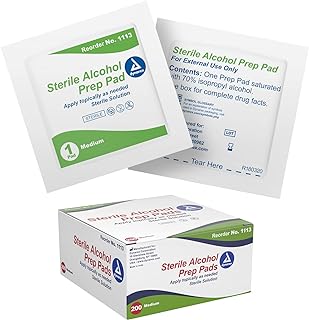
Alcohol Prep Pads (Sterile, 200 count)
Dynarex
Sterile 70% IPA prep pads — one per vial stopper + one per injection site.
1-Quart Sharps Disposal Container
BD / Becton Dickinson
FDA-cleared sharps container — pharmacies won't accept improvised disposal.


As an Amazon Associate we earn from qualifying purchases · Disclosed per FTC guidelines
Top Videos
Curated from YouTube, refreshed weekly. Stacked doesn't host or endorse external content.
 4:00
4:00hCG levels in early pregnancy - Does hCG have to double in 2 days?
Infertility TV with Dr. Randy Morris M.D.
1.2M views · 4:00 · 5 years ago
 10:34
10:34HCG Pregnancy Testing: How Soon Can You Know if You Are Pregnant - Dr Lora Shahine
Lora Shahine, MD
634.8K views · 10:34 · 3 years ago
 9:03
9:03Low Testosterone: Do You Need To Take A Supplement?
Talking With Docs
566K views · 9:03 · 3 years ago
 15:20
15:20What Every Man Should Know About HCG
PrimeBody
289.1K views · 15:20 · 10 years ago
 11:03
11:03GTPAL, Naegele's Rule, and Prenatal Labs/Diagnostics - Pregnancy - Maternity Nursing |@LevelUpRN
Level Up RN
211.9K views · 11:03 · 5 years ago
Research Papers
Low-dose human chorionic gonadotropin maintains intratesticular testosterone in normal men with testosterone-induced gonadotropin suppression
Coviello AD, et al. · Journal of Clinical Endocrinology & Metabolism · 2005
PubMed 15713724 →Concomitant intramuscular human chorionic gonadotropin preserves spermatogenesis in men undergoing testosterone replacement therapy
Hsieh TC, et al. · Journal of Urology · 2013
PubMed 23260550 →
Frequently Asked
- What is HCG?
- HCG is a other studied in laboratory research. This profile covers its researched mechanism of action, study context, reported side-effect profile, and current vendor pricing. For research purposes only; not medical advice.
- Is HCG legal to buy?
- HCG is sold strictly for laboratory and research use and is not approved by the FDA for human consumption. Legal status and import rules vary by country and are the buyer's responsibility.
- How much does HCG cost?
- Compare live $/mg, total price, stock, and each vendor's Stacked Score for HCG on its price page. Stacked does not sell peptides; it links out to vetted research vendors.