
DSIP
Delta Sleep-Inducing Peptide · Delta-Sleep Peptide
Think of it as the sandman of sleep research.
Delta Sleep-Inducing Peptide, or DSIP, is a bit of a mystery in the world of sleep research. Despite its name, DSIP isn't just about putting you to sleep. Scientists first found it in the blood of sleeping rabbits, and since then, it's been studied for its potential to influence how deeply and restfully you sleep. Some older studies suggested it might help increase delta-wave brain activity, which is linked to deep sleep, but these findings haven't been consistently proven.
Beyond sleep, DSIP might also have a role in how your body handles stress. Some research hints that it could help dial down stress hormones like cortisol, which might make it easier to stay calm under pressure. There's also some early research on using DSIP to ease withdrawal symptoms in people coming off opioids or alcohol, though this is still very much in the exploratory stages.
Who it's for
- Biohackers curious about sleep optimization
- People exploring stress management strategies
- Researchers interested in sleep and stress hormones
Probably not for you if…
- Those looking for a proven sleep aid
- Anyone expecting quick, guaranteed results
- People uncomfortable with experimental compounds
Editorial summary for research context · Not medical advice
Mechanism of Action
DSIP is a 9-amino-acid peptide (Trp-Ala-Gly-Gly-Asp-Ala-Ser-Gly-Glu) originally isolated from the cerebral venous blood of sleeping rabbits in 1977. Despite its name, its mechanism remains poorly defined and debated, no specific receptor has been identified. Research has reported modulation of delta-wave EEG activity, neuroendocrine effects (including attenuation of ACTH and cortisol responses to stress), and possible antioxidant activity. Pharmacokinetic data in humans is limited and published randomized controlled trials are sparse and older. DSIP should be considered a research-only peptide with mechanism still under active investigation.
Researched Benefits
Sleep architecture research
Older studies reported increased delta-wave EEG activity and improved subjective sleep quality in small cohorts, though findings have not been consistently replicated.
- [Schneider-Helmert et al. 1987]
Stress-axis modulation
Preclinical work suggests attenuation of ACTH and cortisol release under stress challenges, with downstream effects on HPA-axis reactivity.
- [Iyer & McCann 1987]
Opioid withdrawal research
Early clinical case series explored DSIP as an adjunct in opioid and alcohol withdrawal, with reduced subjective withdrawal scores reported; modern RCTs are lacking.
- [Dick et al. 1984]
Research Protocols
The following dosing ranges have appeared in published research protocols. Presented for informational purposes only, not a recommendation for human use.
Sleep-focused research
- Dosage
- 100 mcg
- Frequency
- once daily
- Timing
- 30-60 minutes before bed
- Cycle
- 4 weeks
Subcutaneous administration pre-sleep has been the most common route in published research. Short cycles preferred due to limited long-term safety data.
Stress-axis research
- Dosage
- 200 mcg
- Frequency
- once daily
- Timing
- evening
- Cycle
- 2 weeks
Higher single doses studied for stress-response modulation. Research remains preliminary.
Reported Side Effects
- Generally well tolerated in published research with minimal adverse events reported
- Mild injection-site reactions (erythema, itching)
- Occasional next-day grogginess or vivid dreams reported anecdotally
- Mechanism is still debated, long-term effects in humans are not characterized
Contraindications
- Pregnancy and lactation (no safety data)
- Active psychiatric illness without clinical oversight
- Concurrent sedative-hypnotic use without medical supervision
- Known hypersensitivity to the peptide
Stacking Partners
Peptides commonly paired with DSIP in published research and protocol write-ups.
Vendor Pricing
Stacked earns a commission on purchases via these links. It does not influence our Trust Scores.
Gear + Companions
Reconstitution supplies and research-backed supplement companions for DSIP. Editorial picks only, we earn a commission through Amazon on the click, no sponsorship.
Gear you'll need
· Reconstitution + storage essentialsBacteriostatic Water 30mL (0.9% Benzyl Alcohol)
Empower Pharmacy / generic medical supply
Reconstitutes every lyophilized peptide. 28-day viability refrigerated.
Insulin Syringes 31G × 5/16" × 0.5mL (100 count)
EasyTouch
31G × 0.5mL insulin syringes — the default size for sub-0.25mL peptide doses.
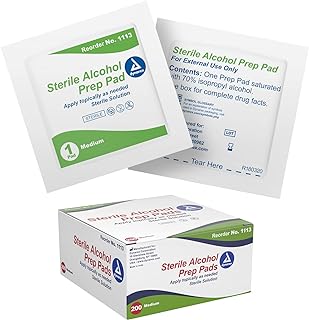
Alcohol Prep Pads (Sterile, 200 count)
Dynarex
Sterile 70% IPA prep pads — one per vial stopper + one per injection site.
1-Quart Sharps Disposal Container
BD / Becton Dickinson
FDA-cleared sharps container — pharmacies won't accept improvised disposal.


Stacks well with
· Supplement companions, independent evidence, not sponsoredGlycine Powder 1kg (Pharmaceutical Grade)
BulkSupplements
3g glycine pre-sleep lowers core body temp + shortens sleep latency — complementary mechanism to DSIP's direct slow-wave induction.
Magnesium Glycinate 400mg (240 capsules)
Nested Naturals
Sub-optimal magnesium is a very common sleep-latency problem. Glycinate form doesn't upset the stomach.


As an Amazon Associate we earn from qualifying purchases · Disclosed per FTC guidelines
Top Videos
Curated from YouTube, refreshed weekly. Stacked doesn't host or endorse external content.
 19:48
19:48Waking Up Every Night at 3AM? Do These NOW
This Is Not Covered - Dr. Ashley Froese
183K views · 19:48 · 5 months ago
 12:53
12:53The FDA vs. Peptides: The Truths About DSIP, Semax, & Epitalon
This Is Not Covered - Dr. Ashley Froese
87.4K views · 12:53 · 2 months ago
 12:02
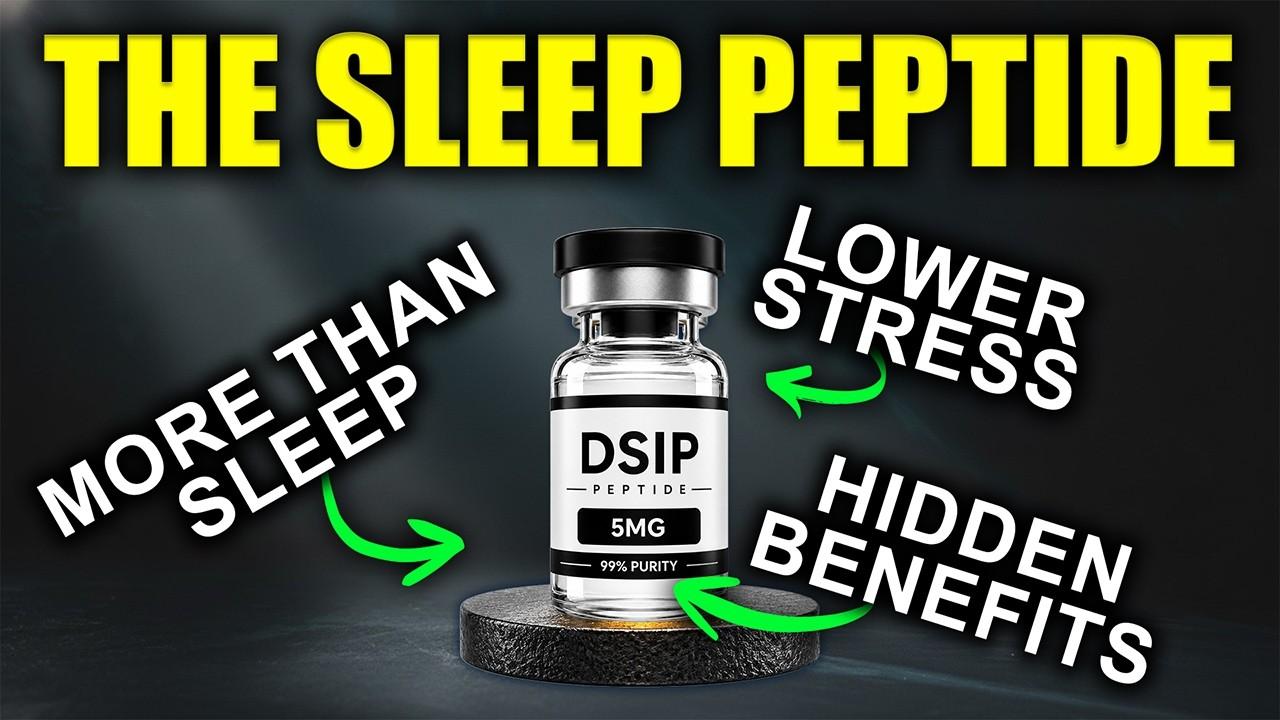
12:02Doctor Explains How DSIP Peptide Improves Sleep, Lowers Stress & More (DSIP Explained)
Dr. Jones, DC
27.8K views · 12:02 · 3 months ago
 7:43
7:43DSIP Peptide: Revolutionizing Sleep, Stress, and Pain Management in Clinical Practice
Dr. Adam Sewell, M.D. | Medical Entrepreneur
26.2K views · 7:43 · 1 year ago
 9:17
9:17Best Peptide for Sleep: DSIP vs Epithalon vs Pinealon
Dr. Greg Jones
11.6K views · 9:17 · 2 months ago
Research Papers
DSIP in sleep disturbances: effects on the sleep-waking rhythm and mood
Schneider-Helmert D, Schoenenberger GA · European Neurology · 1987
PubMed 3653091 →Delta sleep-inducing peptide: a still unresolved riddle
Kovalzon VM, Strekalova TV · Journal of Neurochemistry · 2006
PubMed 16805779 →
Frequently Asked
- What is DSIP?
- DSIP is a other studied in laboratory research. This profile covers its researched mechanism of action, study context, reported side-effect profile, and current vendor pricing. For research purposes only; not medical advice.
- Is DSIP legal to buy?
- DSIP is sold strictly for laboratory and research use and is not approved by the FDA for human consumption. Legal status and import rules vary by country and are the buyer's responsibility.
- How much does DSIP cost?
- Compare live $/mg, total price, stock, and each vendor's Stacked Score for DSIP on its price page. Stacked does not sell peptides; it links out to vetted research vendors.