
AHK-Cu
Copper Tripeptide-3 · Ala-His-Lys Copper · AHK Copper Peptide
Think of it as a personal trainer for your hair follicles.
AHK-Cu is like a motivator for your hair roots, giving them the pep talk they need to grow stronger and stay active longer. It’s a lab-made version of a natural peptide, with a dash of copper for extra oomph. This combination helps keep the hair growth phase going and supports the tiny blood vessels around your hair follicles, ensuring they have all the nutrients they need.
Beyond hair, AHK-Cu has a bit of a side hustle in the skincare world. It’s known to help firm up your skin and improve its texture, thanks to its role in remodeling the skin's support structure. So, whether it’s about keeping your hair full or your skin firm, AHK-Cu is doing some heavy lifting in the background.
Who it's for
- Those looking to support fuller, healthier hair growth.
- People interested in skin-firming cosmetic products.
- Beauty enthusiasts experimenting with advanced skincare ingredients.
Probably not for you if…
- Individuals with sensitive skin prone to irritation.
- Those expecting instant, dramatic results.
- Anyone looking for FDA-approved medical treatments.
Editorial summary for research context · Not medical advice
Mechanism of Action
AHK-Cu is a synthetic copper-binding tripeptide (Alanine-Histidine-Lysine) complexed to a copper(II) ion. It is structurally related to GHK-Cu but substitutes alanine for glycine at the N-terminus, yielding a distinct receptor-signaling profile with research emphasis on hair-follicle dermal papilla stimulation and angiogenic growth-factor upregulation (VEGF). In ex-vivo hair-follicle culture and topical formulation studies, AHK-Cu has been reported to prolong anagen phase, increase dermal-papilla cell proliferation, and support microvascular supply to the follicular unit. AHK-Cu is used as a cosmetic and research ingredient, there is no FDA-approved medical indication.
Researched Benefits
Hair follicle stimulation
Ex-vivo human hair-follicle organ-culture studies have reported increased follicle size, prolonged anagen-phase markers, and dermal-papilla cell proliferation with AHK-Cu exposure versus control.
- [Pyo et al. 2007]
- [Trüeb 2018]
VEGF and angiogenic signaling
In-vitro studies indicate AHK-Cu upregulates VEGF expression in dermal papilla cells, supporting the perifollicular microvascular network implicated in hair-cycle regulation.
Skin-firming and wound-aesthetic cosmetic use
Topical formulation data suggest AHK-Cu contributes to ECM remodeling and skin-density improvements, often paired with GHK-Cu in combination products.
- [Pickart & Margolina 2018]
Research Protocols
The following dosing ranges have appeared in published research protocols. Presented for informational purposes only, not a recommendation for human use.
Topical scalp cosmetic use
- Dosage
- 0 mg
- Frequency
- once daily
- Timing
- evening, on dry/clean scalp
- Cycle
- 16 weeks
AHK-Cu serums are typically formulated at 0.05-0.2% and applied topically to target areas of thinning. Often combined with GHK-Cu. Visible changes in hair density require 3-6 months.
Research-protocol localized scalp injection
- Dosage
- 2 mg
- Frequency
- 2x weekly
- Timing
- any time
- Cycle
- 12 weeks
Research literature describes localized intradermal scalp mesotherapy-style injection of copper-peptide solutions. Strictly a research documentation entry; sterility and formulation quality are critical.
Reported Side Effects
- Scalp or skin irritation, mild erythema
- Rare contact dermatitis
- Transient copper-related taste / scalp tingling
- Staining of light-colored hair with high concentrations
Contraindications
- Wilson's disease and other disorders of copper metabolism
- Known copper or peptide hypersensitivity
- Pregnancy and lactation (insufficient data for injected research use)
- Active scalp infection or open wounds
Stacking Partners
Peptides commonly paired with AHK-Cu in published research and protocol write-ups.
Vendor Pricing
Stacked earns a commission on purchases via these links. It does not influence our Trust Scores.
Gear + Companions
Reconstitution supplies and research-backed supplement companions for AHK-Cu. Editorial picks only, we earn a commission through Amazon on the click, no sponsorship.
Gear you'll need
· Reconstitution + storage essentialsBacteriostatic Water 30mL (0.9% Benzyl Alcohol)
Empower Pharmacy / generic medical supply
Reconstitutes every lyophilized peptide. 28-day viability refrigerated.
Insulin Syringes 31G × 5/16" × 0.5mL (100 count)
EasyTouch
31G × 0.5mL insulin syringes — the default size for sub-0.25mL peptide doses.
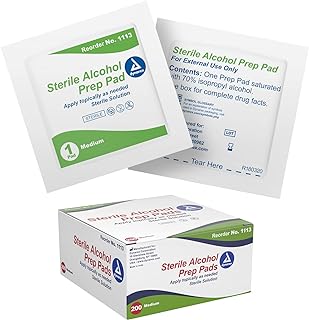
Alcohol Prep Pads (Sterile, 200 count)
Dynarex
Sterile 70% IPA prep pads — one per vial stopper + one per injection site.
1-Quart Sharps Disposal Container
BD / Becton Dickinson
FDA-cleared sharps container — pharmacies won't accept improvised disposal.


Stacks well with
· Supplement companions, independent evidence, not sponsoredGranactive Retinoid 2% Emulsion (30mL)
The Ordinary
Modern retinoid pairs safely with copper-peptide topicals on alternating evenings — tretinoin-grade collagen stimulation without the irritation profile.

As an Amazon Associate we earn from qualifying purchases · Disclosed per FTC guidelines
Top Videos
Curated from YouTube, refreshed weekly. Stacked doesn't host or endorse external content.
 16:29
16:29Are Copper Peptides Worth the Hype? | Doctorly Reviews
Doctorly
787K views · 16:29 · 4 years ago
 9:25
9:25Dr. Admits - I Was WRONG AGAIN About GHK-Cu
This Is Not Covered - Dr. Ashley Froese
384.5K views · 9:25 · 5 months ago
 8:49
8:49Does Microneedling Actually Regrow Hair? | Hair Surgeon's Advice
Dr. Kopelman
367.7K views · 8:49 · 1 year ago
 4:32
4:32Does The Ordinary Hair Serum Actually Work?
Dr. Kopelman
284.2K views · 4:32 · 1 year ago
 15:20
15:20The Benefits & Risks of GHK-Cu (WATCH BEFORE TAKING)
Dr. Jones, DC
222.9K views · 15:20 · 5 months ago
Research Papers
The effects of tripeptide-copper complex on human hair growth in vitro
Pyo HK, Yoo HG, Won CH, et al. · Archives of Pharmacal Research · 2007
PubMed 17703739 →Regenerative and Protective Actions of the GHK-Cu Peptide in the Light of the New Gene Data
Pickart L, Margolina A · International Journal of Molecular Sciences · 2018
PubMed 29986520 →Molecular mechanisms of androgenetic alopecia: Current and emerging therapies
Trüeb RM · Skin Appendage Disorders · 2018
PubMed 29879441 →
Frequently Asked
- What is AHK-Cu?
- AHK-Cu is a sexual & skin studied in laboratory research. This profile covers its researched mechanism of action, study context, reported side-effect profile, and current vendor pricing. For research purposes only; not medical advice.
- Is AHK-Cu legal to buy?
- AHK-Cu is sold strictly for laboratory and research use and is not approved by the FDA for human consumption. Legal status and import rules vary by country and are the buyer's responsibility.
- How much does AHK-Cu cost?
- Compare live $/mg, total price, stock, and each vendor's Stacked Score for AHK-Cu on its price page. Stacked does not sell peptides; it links out to vetted research vendors.