
Melanotan-1
Afamelanotide · Scenesse · MT-1 · [Nle4, D-Phe7]-α-MSH · CUV1647
Think of it as a sunless tanning shot with extra protection.
Melanotan-1 is like getting a tan without needing the sun. It works by telling your skin cells to produce more of the pigment that makes you look tanned. This happens thanks to a special receptor in your skin that Melanotan-1 taps into, boosting melanin production. This not only gives you a bronzed look but also offers a bit of sun protection.
Originally, this compound is used for people who have conditions that make them extremely sensitive to sunlight, giving them extra protection so they can enjoy the outdoors more comfortably. While it’s not a substitute for sunscreen, it does help some people spend more time outside with less worry about getting burned.
Some researchers are also checking out how it might help with other skin issues, like vitiligo, where skin loses its pigment, or solar urticaria, a kind of sun allergy. But those uses are still being explored and aren’t the main reasons people use Melanotan-1.
Who it's for
- People who burn easily and want a bit more outdoor freedom
- Those looking for a tan without the sunbathing
- Adventurers spending long hours in the sun
Probably not for you if…
- Anyone with a history of skin cancer
- People who prefer their natural skin tone
- Individuals looking for a quick fix without medical supervision
Editorial summary for research context · Not medical advice
Mechanism of Action
Melanotan-1 (afamelanotide) is a synthetic 13-amino-acid analog of alpha-melanocyte-stimulating hormone (α-MSH) with selective agonist activity at the MC1R (melanocortin-1 receptor) on melanocytes. MC1R activation stimulates eumelanin synthesis, providing photoprotective pigmentation independent of UV exposure. Marketed as Scenesse by Clinuvel as a bioresorbable subcutaneous implant, afamelanotide is FDA-approved (2019) and EMA-approved for the prevention of phototoxicity in adults with erythropoietic protoporphyria (EPP). Prescription required; administered only by certified healthcare providers.
Researched Benefits
Photoprotection in erythropoietic protoporphyria (EPP)
Phase 3 trials demonstrated significant increases in pain-free sun exposure time and improved quality of life in EPP patients receiving scheduled 16 mg subcutaneous implants.
- [Langendonk et al. 2015 (NEJM)]
- [Biolcati et al. 2015]
UV-independent eumelanin induction
Clinical pharmacology studies confirm reproducible increases in cutaneous melanin density (reflectance spectrophotometry) versus placebo, peaking 2-4 weeks post-implant.
- [Minder et al. 2017]
Investigated in vitiligo and solar urticaria
Smaller controlled studies have explored afamelanotide for repigmentation in vitiligo (combined with NB-UVB) and for solar urticaria protection, with positive signal but narrower indication scope.
- [Lim et al. 2015]
- [Haylett et al. 2011]
Research Protocols
The following dosing ranges have appeared in published research protocols. Presented for informational purposes only, not a recommendation for human use.
FDA-approved EPP regimen (Scenesse implant)
- Dosage
- 16 mg
- Frequency
- every 2 months during high-UV season
- Timing
- upper-flank SC implant, clinician-administered
- Cycle
- 8 weeks
Scenesse is a 16 mg controlled-release SC implant. Only physicians certified by Clinuvel's REMS program may place it. Strictly prescription-only.
Research-protocol daily-injection range (historical)
- Dosage
- 500 mcg
- Frequency
- daily until target pigmentation reached
- Timing
- evening
- Cycle
- 2 weeks
Older research literature reported daily SC dosing of 0.08-0.16 mg/kg prior to the implant formulation. Not representative of current approved therapy.
Reported Side Effects
- Generalized skin darkening and new/darkening nevi (monitor)
- Nausea, especially early in therapy
- Headache, fatigue
- Injection/implant-site reactions (erythema, pigmentation halo)
- Flushing, decreased appetite
- GI discomfort
Contraindications
- Personal history of melanoma (including in situ)
- Active non-melanoma skin cancer or suspicious pigmented lesions pre-screening
- Hepatic impairment (Child-Pugh B/C)
- Pregnancy and lactation (insufficient data)
- Severe cardiovascular disease
Stacking Partners
Peptides commonly paired with Melanotan-1 in published research and protocol write-ups.
Vendor Pricing
Stacked earns a commission on purchases via these links. It does not influence our Trust Scores.
Gear + Companions
Reconstitution supplies and research-backed supplement companions for Melanotan-1. Editorial picks only, we earn a commission through Amazon on the click, no sponsorship.
Gear you'll need
· Reconstitution + storage essentialsBacteriostatic Water 30mL (0.9% Benzyl Alcohol)
Empower Pharmacy / generic medical supply
Reconstitutes every lyophilized peptide. 28-day viability refrigerated.
Insulin Syringes 31G × 5/16" × 0.5mL (100 count)
EasyTouch
31G × 0.5mL insulin syringes — the default size for sub-0.25mL peptide doses.
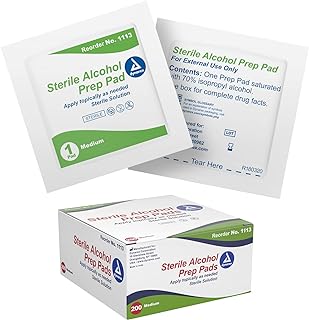
Alcohol Prep Pads (Sterile, 200 count)
Dynarex
Sterile 70% IPA prep pads — one per vial stopper + one per injection site.
1-Quart Sharps Disposal Container
BD / Becton Dickinson
FDA-cleared sharps container — pharmacies won't accept improvised disposal.


As an Amazon Associate we earn from qualifying purchases · Disclosed per FTC guidelines
Top Videos
Curated from YouTube, refreshed weekly. Stacked doesn't host or endorse external content.
 7:02
7:02The Couple Addicted to Tanning Injections | This Morning
This Morning
1.3M views · 7:02 · 7 years ago
 6:07
6:07I Inject Myself To Get The Perfect Tan | This Morning
This Morning
194K views · 6:07 · 10 years ago
 6:48
6:48Melanotan II Peptide: How to get the Perfect Tan Without Beds or Sprays
Dr. Debra Durst, The SexMD
86.8K views · 6:48 · 5 years ago
 8:55
8:55Melanotan II: The Hormone That Could Change Your Life Forever
The Zero Downside
86.3K views · 8:55 · 1 year ago
 10:04
10:04Melanotan 2: My Experience
Matt Girard
52.9K views · 10:04 · 2 years ago
Research Papers
Afamelanotide for Erythropoietic Protoporphyria
Langendonk JG, Balwani M, Anderson KE, et al. · New England Journal of Medicine · 2015
PubMed 26132941 →Long-term observational study of afamelanotide in 115 patients with erythropoietic protoporphyria
Biolcati G, Marchesini E, Sorge F, et al. · British Journal of Dermatology · 2015
PubMed 26017287 →Afamelanotide and narrowband UV-B phototherapy for the treatment of vitiligo
Lim HW, Grimes PE, Agbai O, et al. · JAMA Dermatology · 2015
PubMed 25471046 →
Frequently Asked
- What is Melanotan-1?
- Melanotan-1 is a sexual & skin studied in laboratory research. This profile covers its researched mechanism of action, study context, reported side-effect profile, and current vendor pricing. For research purposes only; not medical advice.
- Is Melanotan-1 legal to buy?
- Melanotan-1 is sold strictly for laboratory and research use and is not approved by the FDA for human consumption. Legal status and import rules vary by country and are the buyer's responsibility.
- How much does Melanotan-1 cost?
- Compare live $/mg, total price, stock, and each vendor's Stacked Score for Melanotan-1 on its price page. Stacked does not sell peptides; it links out to vetted research vendors.